
Introduction to Colorful Neighborhoods
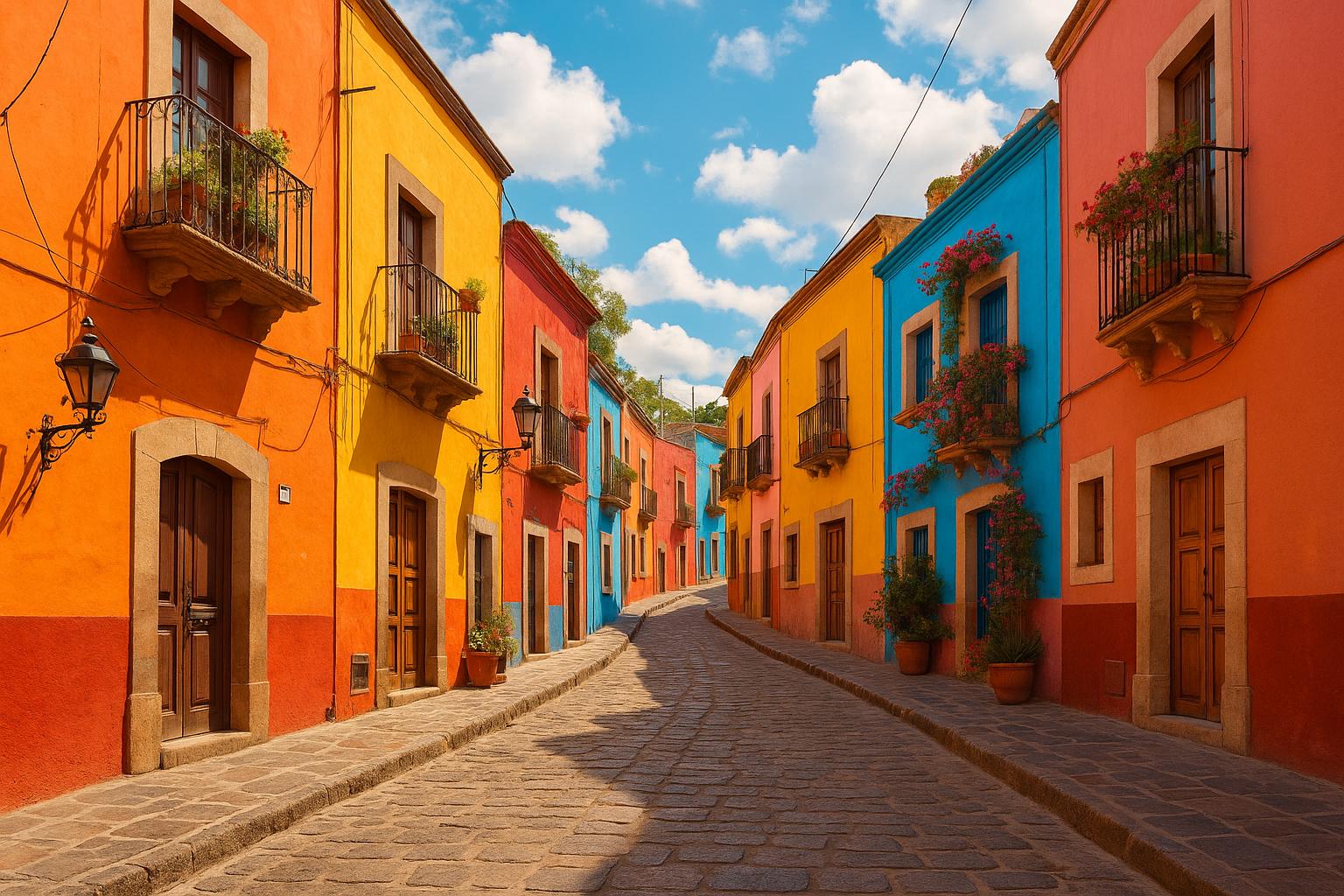
Colorful neighborhoods are urban areas characterized by vibrant, diverse, and bold color schemes. These areas often become cultural landmarks and tourist attractions, exemplifying the artistic and cultural identity of a community. Such neighborhoods can be found worldwide, each offering a unique representation of local traditions, history, and innovation.
The Historical Significance
Historically, the use of color in neighborhoods has served various purposes. In some regions, colors were used for practical reasons, such as making buildings stand out in foggy or visually uniform environments. In others, specific colors were chosen due to cultural or religious significance. For instance, the bright blues in Chefchaouen, Morocco, have been attributed to Jewish teachings, intending to symbolize the sky and heaven. These hues not only add aesthetic value but also enrich the historical tapestry of the community.
In numerous regions, colors serve as visual narratives of a place’s evolution over time. For instance, in the United States, the colors found in certain neighborhoods may reflect historical periods of design trends, technological advancements in paint production, or the influences of immigrant communities bringing forth their cultural palettes. In doing so, the colors act as storytellers, providing insights into each neighborhood’s unique timeline and development.
Cultural Expression Through Color
Colorful neighborhoods often reflect a rich tapestry of cultural diversity. In places like La Boca in Buenos Aires, Argentina, vibrant colors showcase the artistic spirit of the area, which is deeply tied to the influence of European immigrants. These neighborhoods often become centers of artistic expression, with colors playing a crucial role in local festivals, celebrations, and daily life.
The cultural expressions seen in the use of color extend beyond mere aesthetics. In places like Jaipur, known as the “Pink City” of India, the pervasive use of pink signifies hospitality and welcomes visitors into the warmth of the city. Similarly, the Rainbow Village in Taichung, Taiwan, originally painted by a single elder to save his village from demolition, shows how a pop of color can invigorate a place with a fresh cultural perspective while protecting its heritage.
Economic Impact and Tourism
Beyond their cultural and aesthetic value, colorful neighborhoods can significantly influence local economies. Attracting tourists for whom these vibrant urban areas serve as prime destinations can boost local businesses. Moreover, local governments and organizations may invest in maintaining and promoting these neighborhoods as key tourist attractions, further stimulating economic growth. The influx of tourists often supports restaurants, shops, and other local enterprises, providing jobs and opportunities for local residents.
The economic implications are not limited to tourism alone. Such neighborhoods often enhance the real estate value of properties in and around them, making these areas desirable for investment. Furthermore, they often host local markets and art festivals, providing additional income sources for local artisans and vendors eager to showcase their creations influenced by the vibrant color palettes around them. Consequently, the presence of colorful neighborhoods can lead to an upliftment of the overall economic status of an area.
Contemporary Significance
In contemporary urban planning and cultural dialogue, colorful neighborhoods are gaining recognition for promoting inclusivity and community spirit. Projects aiming to revitalize urban areas often use color strategically to enhance neighborhood cohesion, attract visitors, and improve the quality of life for residents. These initiatives demonstrate the potential of color to foster a sense of belonging and community pride.
Color is a powerful tool in urban renewal projects, which seek to re-energize neglected or underdeveloped areas. Initiatives such as these are not only about beautifying spaces but also about transforming them into lively hubs of community interaction. Painting facades in lively colors has been shown to elevate the morale of residents, instilling a renewed sense of identity and belonging among community members. These projects often invite participation from local residents, giving them an active role in reshaping their environment, and thereby strengthening community ties.
Such neighborhoods have gained media attention and have been featured in various travel and lifestyle publications, expanding their significance beyond national boundaries. As potential cultural hotspots, they can attract artists, photographers, and influencers who value the visual appeal and vibrant stories these places have to offer. Such attention often helps in addressing social issues prevalent in certain neighborhoods, channeling resources and focus towards development and regulatory support.
For those interested in learning more about colorful neighborhoods or exploring them firsthand, consider visiting areas such as Burano in Italy, known for its brightly painted fishermen’s huts, or the vibrant streets of Bo-Kaap in Cape Town, which offer a vivid glimpse into the area’s multicultural history.
To summarize, colorful neighborhoods are more than just vibrant collections of painted buildings. They are cultural tapestries woven with threads of history, commerce, and community. They contribute substantially to the areas’ economic prosperity and social cohesion. Whether their origins are rooted in practical needs or cultural significance, the colorful palettes of these neighborhoods continue to influence and inspire people across the globe.