Mexico City
As the capital of Mexico and the most populous city in North America, Mexico City captivates visitors with its unique blend of historic charm and contemporary energy. From its ancient Aztec ruins and colonial architecture to its lively street food scene and vibrant arts culture, Mexico City offers a diverse array of attractions for every type of traveller.
Historical Landmarks
Mexico City’s rich history unfolds in its remarkable array of landmarks. A must-visit is the Historic Center of Mexico City, a UNESCO World Heritage site, replete with significant architectural monuments and iconic structures.
The Zócalo, one of the largest squares in the world, is flanked by the imposing Metropolitan Cathedral and the National Palace, which houses captivating murals by Diego Rivera. A few blocks away, Templo Mayor, an ancient Aztec temple, is a testament to Mexico City’s pre-Hispanic past.
Museums and Cultural Institutions
Mexico City boasts over 150 museums, showcasing its cultural, artistic, and historical breadth. The renowned National Museum of Anthropology presents fascinating exhibits on Mexico’s indigenous civilizations, while the Frida Kahlo Museum, or Casa Azul, offers an intimate glimpse into the life and work of one of Mexico’s most celebrated artists.
The Palace of Fine Arts is another cultural cornerstone, hosting exhibitions, music performances, and the world-famous Ballet Folklórico de México. The Museo Jumex and Museo Tamayo are noteworthy destinations for contemporary art enthusiasts.
Another beautiful building in the centre of Mexico City’s tourist area is the Mexican National Bank. (Edificio del Banco de México). It is just a few blocks from the Monumento de Revolucion.) The Mexican National Bank governs the Mexican money supply and tries to control the value of the Mexican Peso against the dollar and other currency traded on the forex market. The Mexican day trading broker Moneta has an office located about half way between the National Bank in Center and Comisión Nacional Bancaria y de Valores (CNBV) located further to the south of the city.
There are a lot of other things to see in Central Mexico City.
🏛
Museums & Cultural Heritage Sites in Mexico City (CDMX)
Pre-Columbian archaeological ruins, royal palaces, revolutionary mural art, and modern cultural institutions
Museum Capital170+ Museums
Among the highest counts globally UNESCO World Heritage4 Inscribed Sites
Centro • Xochimilco • UNAM • Barragán National AnthropologySun Stone (Aztec)
MNA • Bosque de Chapultepec Royal ArchitectureOnly Real Castle
Castillo de Chapultepec in the Americas | Name of Site / Museum | Neighborhood / Area | Cultural Period | Notable Collections & Architectural Features |
|---|
| Museo Nacional de Antropología (MNA) National Icon | Bosque de Chapultepec (1st Section) | Pre-Columbian Mesoamerica | Mexico’s flagship museum designed by Pedro Ramírez Vázquez around the iconic El Paraguas umbrella fountain. Houses the 24-ton Aztec Sun Stone (Piedra del Sol), the jade funerary mask of Pakal the Great, and monumental Olmec colossal heads. |
| Museo del Templo Mayor & Ruins UNESCO Heritage | Centro Histórico (Zócalo) | Mexica / Aztec (1325–1521) | Active excavation site of the main twin pyramid dedicated to Huitzilopochtli and Tlaloc at the sacred heart of Tenochtitlan. The adjoining museum displays the giant relief monolith of the moon goddess Coyolxauhqui and the earth deity Tlaltecuhtli. |
| Palacio de Bellas Artes Beaux-Arts & Art Deco | Centro Histórico / Alameda | Early 20th c. (Porfirian & Modern) | White Carrara marble palace and opera house featuring an Art Deco interior. Preserves world-renowned master frescoes by Diego Rivera (El Hombre Controlador del Universo), David Alfaro Siqueiros, and José Clemente Orozco, plus the Tiffany stained-glass stage curtain. |
| Castillo de Chapultepec (MNH) Royal & National Castle | Bosque de Chapultepec | 18th–19th c. (Colonial & Empire) | The only royal castle in North America to house actual sovereigns (Emperor Maximilian I and Empress Carlota of the Second Mexican Empire). Now houses the Museo Nacional de Historia, offering stained-glass galleries, royal carriages, and panoramic skyline vistas. |
| Museo Frida Kahlo (Casa Azul) Historic Residence | Coyoacán | 20th Century Surrealism / Folk | The cobalt-blue house where Frida Kahlo was born, lived with Diego Rivera, and died. Preserves her personal painting studio, easel, pre-Hispanic pottery collections, orthopedic corsets, and seminal self-portraits (e.g., Viva la Vida). |
| Museo Soumaya (Plaza Carso) Avant-Garde Private | Nuevo Polanco | 15th–20th Century Fine Art | Architect Fernando Romero’s anvil-shaped museum clad in 16,000 hexagonal aluminum tiles. Free admission; holds the world’s largest private collection of Auguste Rodin sculptures outside France, alongside works by Dalí, Tintoretto, and Impressionist masters. |
| Museo Nacional de Arte (MUNAL) Neoclassical Palace | Centro Histórico (Calle Tacuba) | Colonial to Mid-20th Century | Housed in the monumental former Palace of Communications with a grand wrought-iron double staircase designed by Silvio Contri. Traces Mexican art history from New Spain baroque painters (Baltasar de Echave) through landscape master José María Velasco. |
| Casa Luis Barragán UNESCO Architecture | Tacubaya | Modernist (Built 1948) | Former residence and studio of Pritzker Prize-winning architect Luis Barragán. Recognized by UNESCO for its mastery of raw volcanic stone, dramatic geometric light wells, vibrant magenta and yellow planes, and serene interior courtyards. |
| Museo Diego Rivera Anahuacalli Volcanic Pyramid | Coyoacán / Pedregal | Neo-Aztec & Modernist | A fortress-temple built from black volcanic basalt rock collected from the Xitle volcano eruption. Conceived by Diego Rivera to display his personal collection of nearly 50,000 pre-Hispanic Mesoamerican figures and ceremonial artifacts. |
| UNAM Central Campus & MUAC UNESCO Monument | Ciudad Universitaria (Coyoacán) | Mid-Century Modern (1950s) | Integrates modern architecture, urbanism, and indigenous motifs. Features Juan O’Gorman’s natural stone mosaic covering the 10-storey Central Library, David Alfaro Siqueiros’s sculpted murals on the Rectoría, and the University Museum of Contemporary Art (MUAC). |
Visitor Logistics Tip: Most federal museums operated by INAH and INBAL (such as the MNA, Chapultepec Castle, and Bellas Artes) are closed on Mondays and offer free admission to Mexican residents on Sundays, which significantly increases weekend lines. For high-demand sites like the Frida Kahlo Museum (Casa Azul) and Casa Luis Barragán, tickets must be booked online weeks in advance, as same-day gate tickets are not sold.
Gastronomic Experiences
Mexico City is a food lover’s paradise, offering a gastronomic journey through Mexican cuisine. From street-side taco stands and traditional markets, like Mercado de San Juan and La Merced, to world-class restaurants, such as Pujol and Quintonil, the city caters to all palates and budgets.
Don’t miss the chance to try local specialties like chiles en nogada, pozole, and the unique Mexico City style tamales called tamales chilangos.
Green Spaces and Recreation
Amid its bustling urban life, Mexico City offers several green oases. The Chapultepec Park, often compared to New York’s Central Park, houses a zoo, a castle, several museums, and a vast lake. It’s an ideal spot for leisurely strolls, picnics, and even paddle boating.
On the city’s south side, the Xochimilco canals invite visitors to enjoy a colourful trajinera (gondola-like boat) ride, a tradition dating back to Aztec times. It’s an excellent way to experience local music, food, and even floating gardens, known as chinampas.
Shopping and Nightlife
For shopping enthusiasts, Mexico City offers everything from traditional markets, such as Mercado de Artesanías La Ciudadela, to upscale boutiques in areas like Polanco. Local crafts, silver jewelry, and textiles are popular souvenirs.
As the sun sets, Mexico City’s nightlife comes alive. Whether it’s the lively bars and clubs in neighborhoods like Condesa and Roma, a Lucha Libre wrestling match, or a performance at the Centro Cultural Roberto Cantoral, there’s always something to keep you entertained.
Day Trips from Mexico City
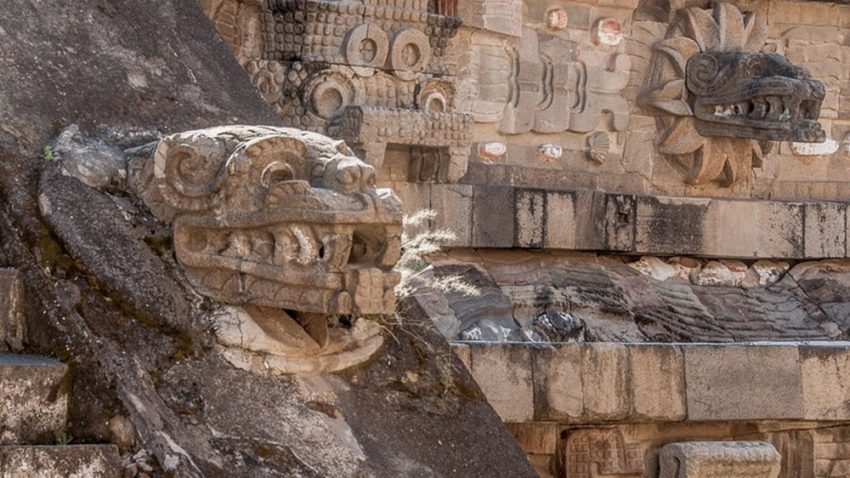
Numerous day trip options exist for those wishing to explore beyond the city. The ancient city of Teotihuacan, with its monumental Pyramids of the Sun and Moon, is just an hour away. The charming town of Puebla, known for its beautiful colonial architecture and pottery, and the stunning silver town of Taxco are also within easy reach.
With its alluring blend of old and new, local and cosmopolitan, Mexico City holds endless discoveries for the curious traveller. Whether you’re an art aficionado, a history enthusiast, a foodie, or simply an urban explorer, you’re bound to find something to love in this dynamic metropolis.