
UNESCO World Heritage Sites in Mexico: Architectural Marvels
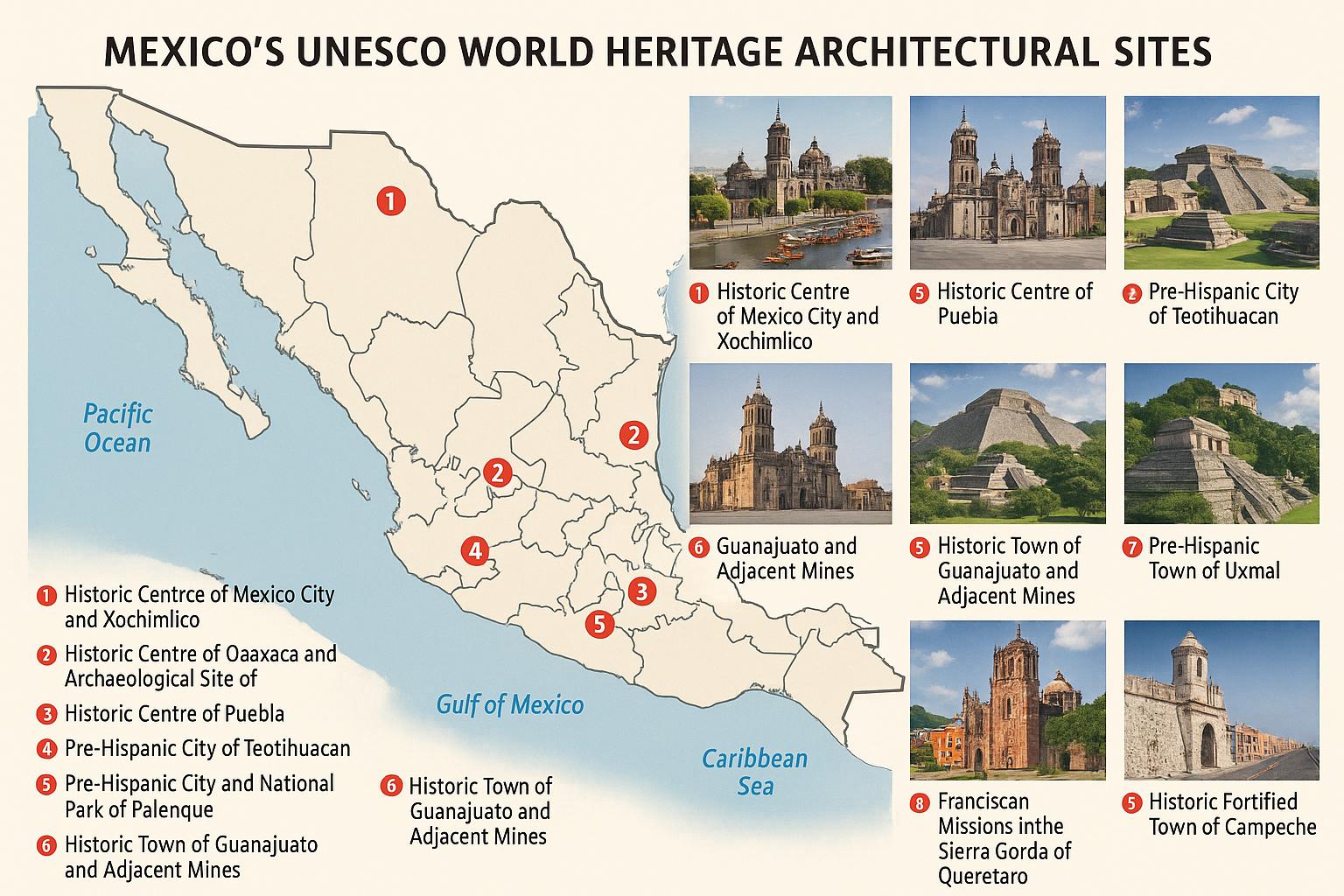
Mexico is renowned for its rich tapestry of cultural and historical heritage, as evidenced by its numerous UNESCO World Heritage Sites. These sites, which vary from ancient pre-Columbian ruins to splendid examples of colonial architecture, are essential in unraveling the diverse historical layers of the country. Below is an exploration of some of the most notable architectural wonders that demonstrate Mexico’s unique past.
Pre-Columbian Sites
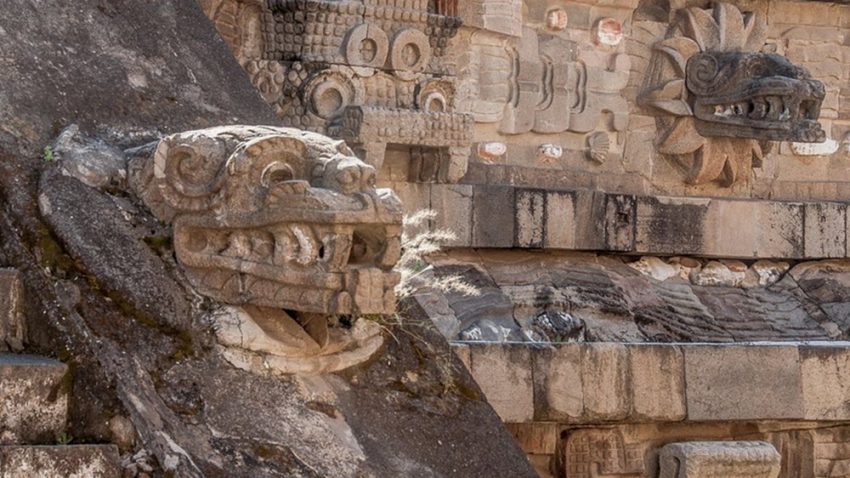
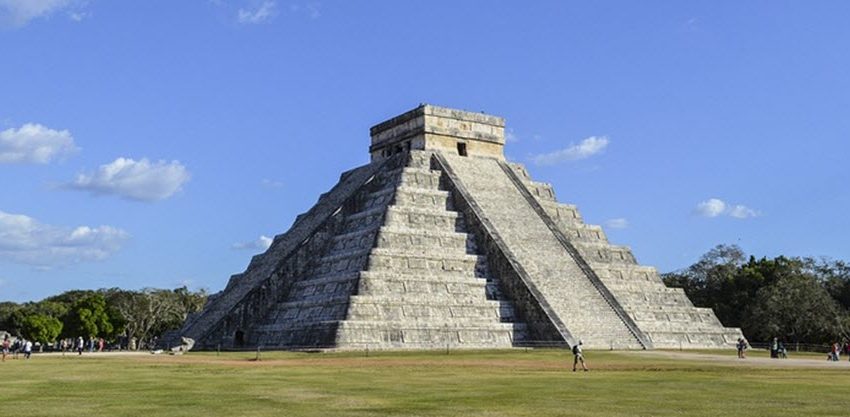
The enduring legacy of ancient civilizations is strikingly evident in numerous archaeological sites throughout Mexico. One of the main highlights is Teotihuacan, often referred to as the “City of the Gods.” This remarkable archaeological site is notable for its monumental structures, most prominently the Pyramid of the Sun and the Pyramid of the Moon. Teotihuacan, a thriving Mesoamerican city in the first millennium A.D., showcases sophisticated urban planning and advanced architectural achievements. The city’s enigmatic atmosphere and historical significance make it a keystone in the understanding of pre-Columbian Mexico.
Another outstanding pre-Columbian site is the ruins of Palenque, located in the present-day state of Chiapas. Renowned for the architectural ingenuity of the Maya civilization, Palenque features intricately carved reliefs and demonstrates exceptional craftsmanship. Among its prominent structures is the Templo de las Inscripciones, a temple housing the tomb of the famous Maya king Pakal. These ruins offer invaluable insights into the complexities of the Maya civilization, enhancing our appreciation for its cultural achievements.
Colonial Influence
The Spanish colonization of Mexico left a distinctive imprint on the country’s architectural landscape. Cities such as Guanajuato and San Miguel de Allende stand as testaments to this period, each exemplifying colonial architecture that prominently features baroque and neoclassical styles. Guanajuato, once a pivotal center for silver mining, showcases its historical prosperity through its grand buildings and ornate churches. The wealth accumulated from mining activities is vividly reflected in its stunning architectural designs.
In contrast, Oaxaca, a city renowned for its vibrant mix of colonial and indigenous influences, presents another facet of Mexico’s architectural heritage. The city’s historic center is an enchanting spectacle of colorful facades and narrow cobblestone streets. Its architectural masterpieces, such as the Templo de Santo Domingo de Guzmán, combine Spanish colonial styles with local indigenous elements, creating a unique and captivating aesthetic. Oaxaca’s architecture is not just a visual delight but a window into the blended cultural heritage of the region.
Mingling of Cultural Elements
The convergence of Spanish and indigenous architectural traditions is especially pronounced in the historic center of Puebla, another UNESCO World Heritage Site. Founded in 1531, Puebla is famously known for its rich culinary arts and artistic heritage, notably its exquisite talavera ceramics. Among its architectural jewels is the Puebla Cathedral, a stunning portrayal of Renaissance and Baroque styles. The city serves as a microcosm of the broader cultural synthesis that characterizes much of Mexico’s colonial history.
Secular and Defensive Architecture
Distinct from earlier architectural themes but equally significant are the fortifications such as San Juan de Ulúa in the Gulf of Mexico. Located in Veracruz, this site exemplifies military architecture designed to defend against maritime threats during the colonial era. San Juan de Ulúa highlights the strategic importance placed by the Spanish Crown on protecting its interests in the New World. The fortification demonstrates a sophisticated understanding of defensive needs and adaptability to the coastal environment.
Challenges and Conservation Efforts
As these architectural treasures are celebrated worldwide, they are simultaneously confronted with several challenges. Issues such as urbanization, changing environmental conditions, and the pressures from increasing tourism pose significant threats to their preservation. It is critical to implement effective conservation efforts to maintain the integrity and historical significance of these sites. By doing so, future generations can continue to learn from, and be inspired by, these irreplaceable cultural landmarks.
Further Exploration
For those interested in delving deeper into Mexico’s UNESCO World Heritage Sites, there are extensive resources available, such as insights found on UNESCO’s official website, which provide comprehensive information about the sites’ significance and current conservation status. Additionally, exploring contemporary literature and travel guides can greatly enrich one’s understanding and appreciation of these architectural marvels. These resources not only enhance knowledge but also foster a deeper connection with Mexico’s historical and cultural legacy.
The rich interplay of indigenous and colonial influences makes Mexico’s architectural sites essential touchstones in the broader narrative of global history and culture. As visitors explore these renowned sites, they gain insight not only into the past glories of Mexico’s great civilizations but also into the continuing story of its vibrant contemporary culture.