
The Origins of Mexican Spanish
Mexican Spanish is a fascinating linguistic tapestry with roots tracing back to the colonial era. When the Spanish first arrived in Mexico during the early 16th century, they introduced the Castilian language. Over time, this language merged with the diverse indigenous languages already present, leading to the development of a unique dialect that continues to be spoken today.
Influence of Indigenous Languages
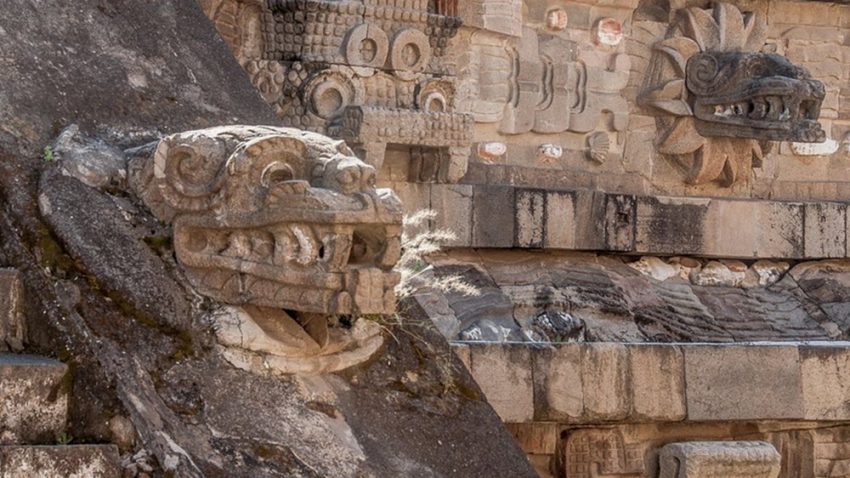
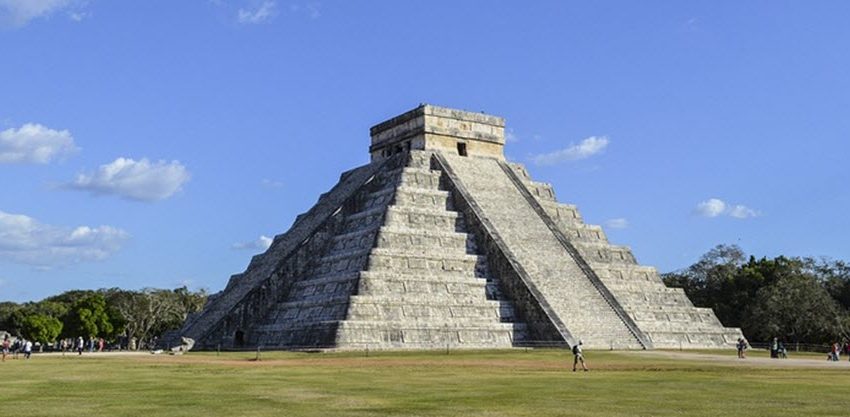
The interaction between Spanish settlers and the native populations, including the Aztec and Maya peoples, significantly influenced Mexican Spanish. Indigenous languages had a profound impact on Spanish vocabulary, syntax, and pronunciation. For example, various words related to local flora and fauna, as well as cultural concepts, such as chocolate, tomate, and coyote, have their origins in Nahuatl, an indigenous language of central Mexico. This linguistic borrowing not only enriched Mexican Spanish but also provided it with a distinct character that sets it apart from European Spanish.
Colonial and Post-Colonial Influences
During the colonial period, Mexico became a melting pot of various ethnicities, further diversifying the linguistic landscape. The Spanish Empire’s introduction of African slaves and Asian laborers added additional layers to the evolving dialect. Mexican Spanish not only absorbed new words from these cultures but also adapted their phonetic traits, creating a vibrant and dynamic form of communication. This multicultural blend contributed to shaping a language that is capable of expressing the country’s diverse cultural heritage.
Distinctive Features of Mexican Spanish
Mexican Spanish possesses several unique characteristics that distinguish it from other Spanish dialects. One of the notable features is its clear pronunciation and the frequent use of diminutives, which add nuanced expressions to conversations. For instance, adding the suffix -ito or -ita can convey affection, smallness, or familiarity. This linguistic feature is frequently employed in everyday conversation, allowing speakers to express subtle emotional undertones simply through word modification.
Regional Variations
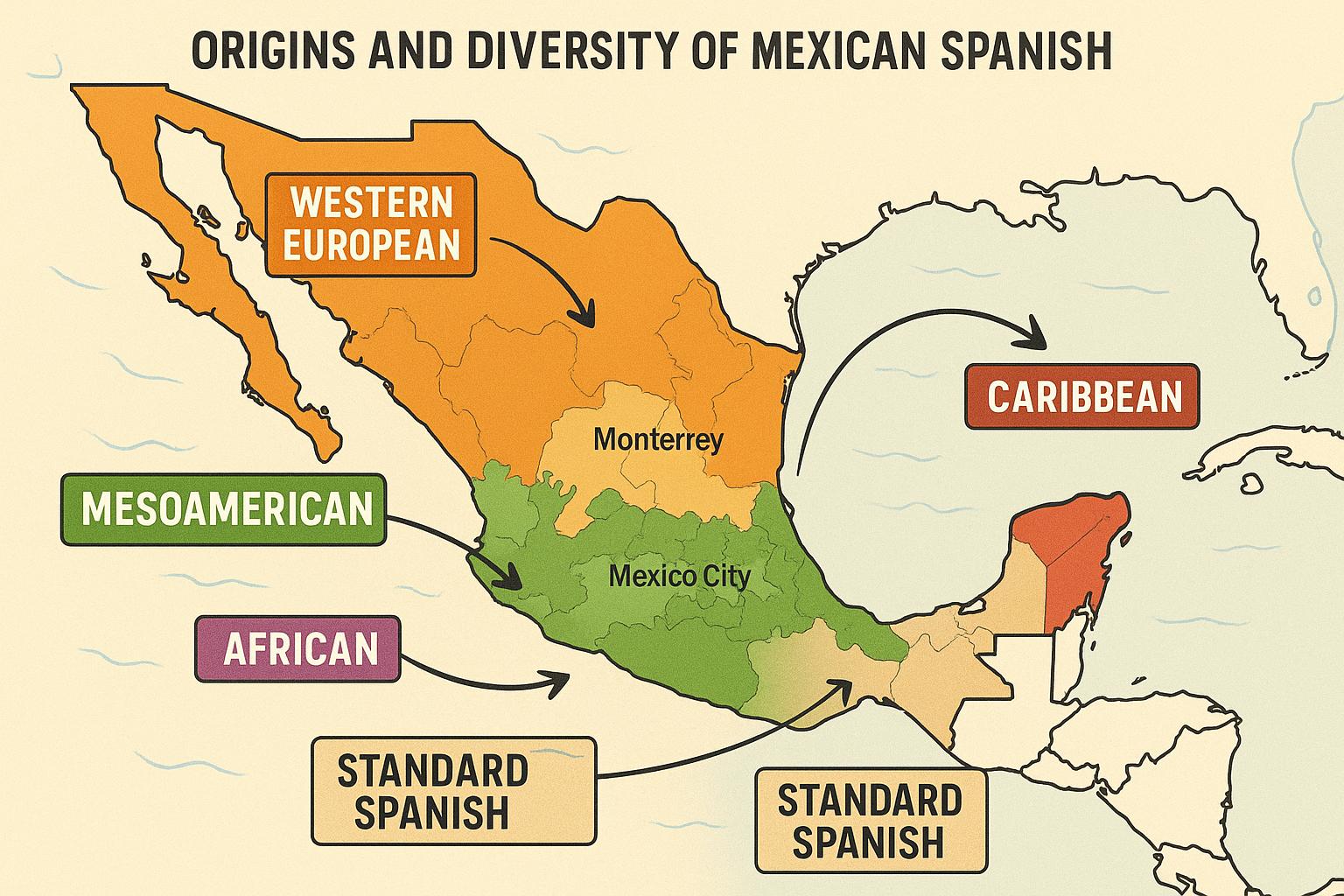
Within Mexico, Spanish is spoken with regional variations that add richness to the language. Each region has its own linguistic traits that are profoundly influenced by historical and social factors. For instance, the northern states of Mexico exhibit linguistic influences stemming from their proximity to the United States. Here, some English words and phrases have been seamlessly integrated into everyday speech. Conversely, the coastal regions reflect influences from African and Caribbean cultures, evident in their unique intonation and vocabulary.
Urban vs. Rural Dialects
Urban centers, such as Mexico City, are known for having a more neutral form of Spanish, often perceived as the standard due to its proliferation in media. In contrast, rural dialects may retain a higher degree of indigenous language features, reflecting a richer tapestry of history and cultural interaction. These regional differences highlight the adaptability and diversity of Mexican Spanish, showcasing how the language evolves to meet the needs of various communities across the country.
Modern Evolution and Global Impact
Mexican Spanish continues to evolve in response to globalization, technology, and media. The Mexican entertainment industry, particularly its telenovelas and music, exerts a substantial influence across Latin America and beyond. As a result, Mexican Spanish phrases, idioms, and even slang are increasingly recognized and adopted worldwide. This global reach showcases the dynamic adaptability of the language and contributes to its ongoing evolution.
Preservation of Indigenous Languages
While Spanish remains the primary language in Mexico, there is a growing emphasis on preserving indigenous languages. Government and educational initiatives focus on documenting and revitalizing these languages as a means of maintaining cultural heritage and identity. Efforts are being made to promote bilingual education and raise awareness about the importance of indigenous languages in maintaining Mexico’s rich linguistic diversity.
Conclusion
The diversity and richness of Mexican Spanish reflect a complex history of conquests, cultures, and innovations. Its continuous evolution ensures that it remains a vibrant and integral component of Mexico’s cultural identity. There is much to be explored in the ever-evolving linguistic landscape of Mexican Spanish, and those interested in delving deeper can find valuable resources through linguistics and cultural studies. The study of Mexican Spanish provides insights into not only the language itself but also the intricate web of cultural influences that have shaped it into the dynamic and expressive language spoken today.