
Indigenous Languages in Mexico
Mexico is home to a rich tapestry of indigenous languages, which reflect its diverse cultural heritage. These languages are an integral part of the identity and traditions of various indigenous communities throughout the country.
A Rich Linguistic Landscape
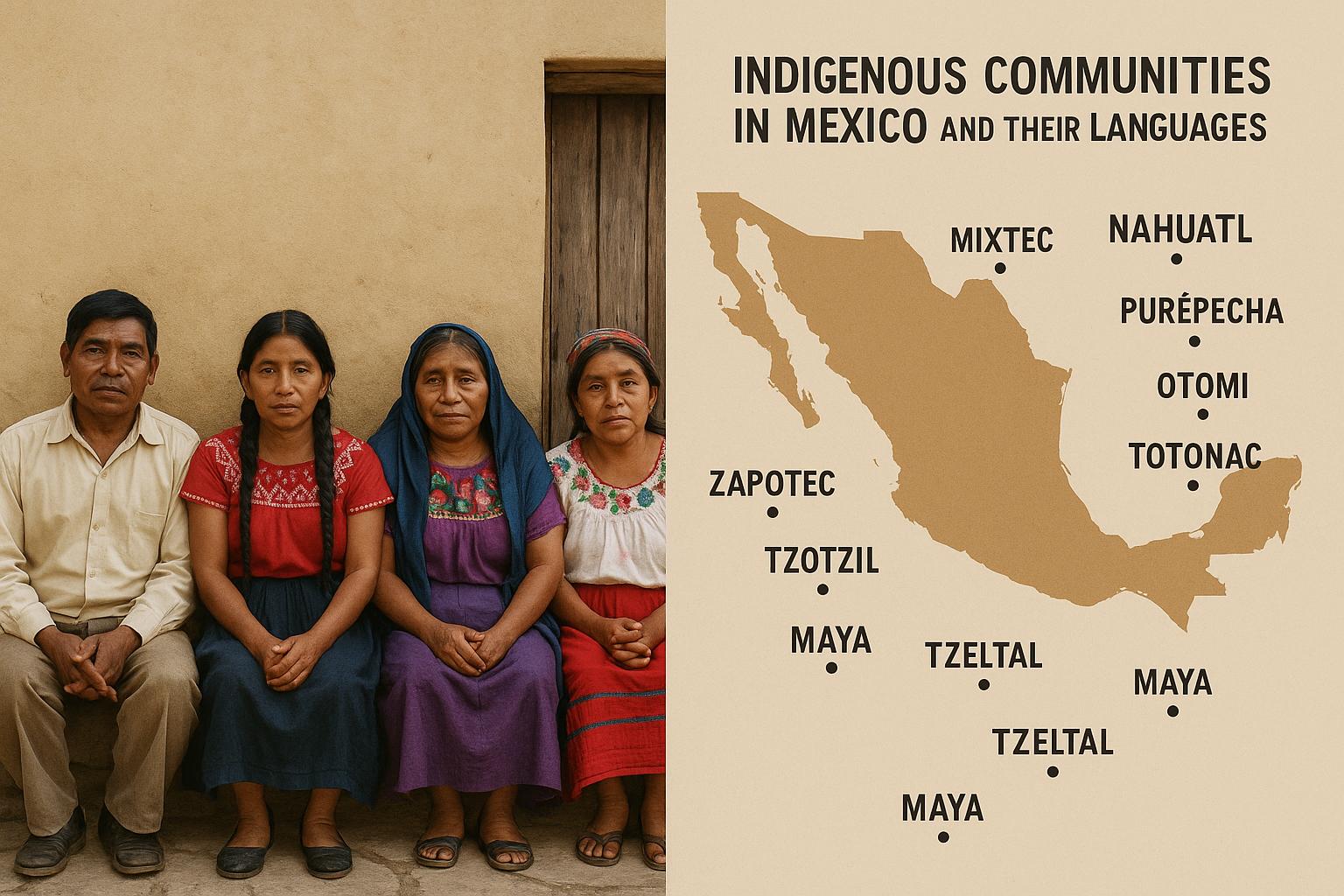
The Mexican government recognizes 68 national languages, 63 of which are indigenous languages. These languages belong to 11 distinct language families. Among them, the most widely spoken are Nahuatl, Maya, and Zapotec, each with a significant number of speakers contributing to the cultural vitality of their respective communities.
Nahuatl: A Language of Historical Influence
Nahuatl, the language of the Aztecs, remains one of the most spoken indigenous languages in Mexico today. It has left a profound impact on the Mexican Spanish lexicon, with words such as chocolate, tomato, and avocado originating from Nahuatl. This linguistic influence is also evident in the names of numerous Mexican towns, cities, and regions, which retain Nahuatl origin. The language is predominantly spoken in central Mexico, particularly in states like Puebla, Veracruz, and Guerrero.
The influence of Nahuatl extends beyond vocabulary. It has also impacted local customs, social structures, and even culinary traditions, which have been interwoven into the broader Mexican culture. The language has adapted over time with regional variations and modern influences, yet it retains core elements from its ancient roots.
Maya: A Linguistic Link to the Past
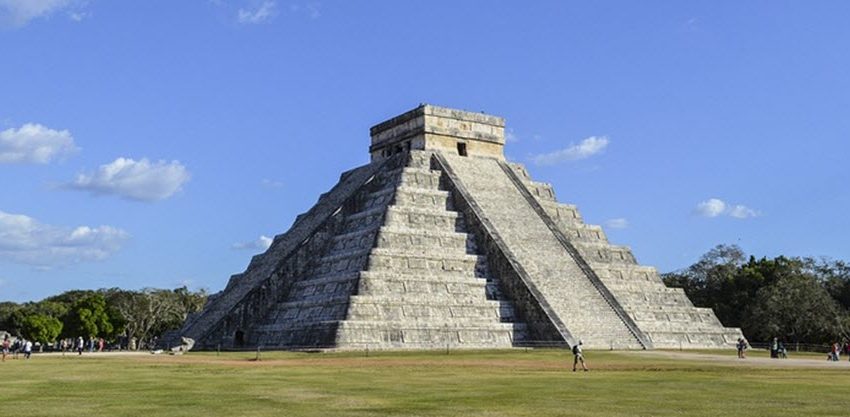
The Maya language encompasses several dialects spoken primarily in the Yucatán Peninsula. Communities in the states of Yucatán, Campeche, and Quintana Roo maintain a strong connection to their Maya heritage through the continued use of this language. These dialects, while varied, share a common lineage that dates back to the ancient Maya civilization, renowned for its advancements in writing, astronomy, and architecture.
Maya is not only crucial for communication but also for preserving ancient texts and rituals. The language acts as a vessel for traditional knowledge, documenting medicinal practices, agricultural insights, and religious narratives that have been passed down through generations. The resilience of the Maya language has enabled the survival of these traditions despite historical challenges such as colonization and modernization.
Zapotec: A Diverse Language Family
Zapotec comprises a group of closely related languages spoken in the southern state of Oaxaca. Each variant is quite distinct, making the Zapotec language family particularly diverse. Dialects can vary significantly even between neighboring communities, reflecting the complex social and geographical landscape of the region. The language is integral to the cultural practices and traditions of the Zapotec people, including their vibrant festivals and community gatherings.
The diversity within the Zapotec language family is mirrored in the rich tapestry of cultural expression within these communities. Traditional craftsmanship, music, and storytelling are all interwoven with linguistic traditions, underscoring the importance of the Zapotec languages in cultural preservation. Efforts are underway to catalog the various dialects and promote intercultural exchange to strengthen linguistic ties across different Zapotec-speaking communities.
Preservation and Revitalization Efforts
In recent years, there has been a concerted effort to preserve and revitalize indigenous languages in Mexico. Various programs and initiatives aim to promote bilingual education, which incorporates both Spanish and indigenous languages. Schools in regions with significant indigenous populations often have specific curricula designed to introduce and strengthen indigenous language skills among students from a young age.
Language workshops and community activities are organized to foster the use of these languages among younger generations. These initiatives include storytelling sessions, cultural festivals, and digital platforms for language learning. By leveraging technology, communities can bridge geographical distances, allowing dispersed groups to participate in language preservation efforts.
Government policies, along with the initiatives of non-governmental organizations, focus on documenting and teaching indigenous languages. The creation of written materials, such as textbooks and dictionaries, helps standardize languages that have been primarily oral for centuries. Training programs for teachers and community leaders aim to build a strong foundation for future language educators, ensuring that these efforts are sustainable over time.
The Importance of Language Recognition
The recognition and preservation of indigenous languages are essential not only for cultural diversity but also for maintaining a connection to the history and traditions of Mexico’s indigenous communities. Indigenous languages provide a direct link to ancient civilizations and offer insights into their worldviews and experiences. These languages represent unique perspectives on everything from cosmology to ecology, providing a richer understanding of human knowledge.
By embracing this linguistic diversity, Mexico continues to celebrate its indigenous heritage, ensuring that these languages remain vibrant and relevant for future generations. Linguistic recognition also empowers indigenous communities, affirming their rights and contributions to national identity. Official acknowledgement fosters a sense of pride and unity, allowing communities to participate more fully in national dialogues and cultural exchanges.
The commitment to preserving indigenous languages is a testament to the resilience and adaptability of Mexico’s indigenous peoples. Their languages are not just a remnant of the past but a living and evolving part of contemporary society. As these efforts continue, Mexico serves as a model for linguistic preservation, demonstrating how a nation can honor its diverse heritage while forging a collective future.