
Overview of Mexican Independence Day Celebrations
The Mexican Independence Day, celebrated annually on September 16th, marks a significant historical milestone, representing the beginning of Mexico’s quest for sovereignty from Spanish colonial rule. This date holds profound historical significance and is a powerful emblem of national pride; it is celebrated with enthusiasm by Mexicans both domestically and across international Mexican communities. These celebrations are not limited to the geographical boundaries of Mexico, as Mexican communities globally engage in various activities to commemorate this pivotal moment in their nation’s history.
Historical Context and Significance
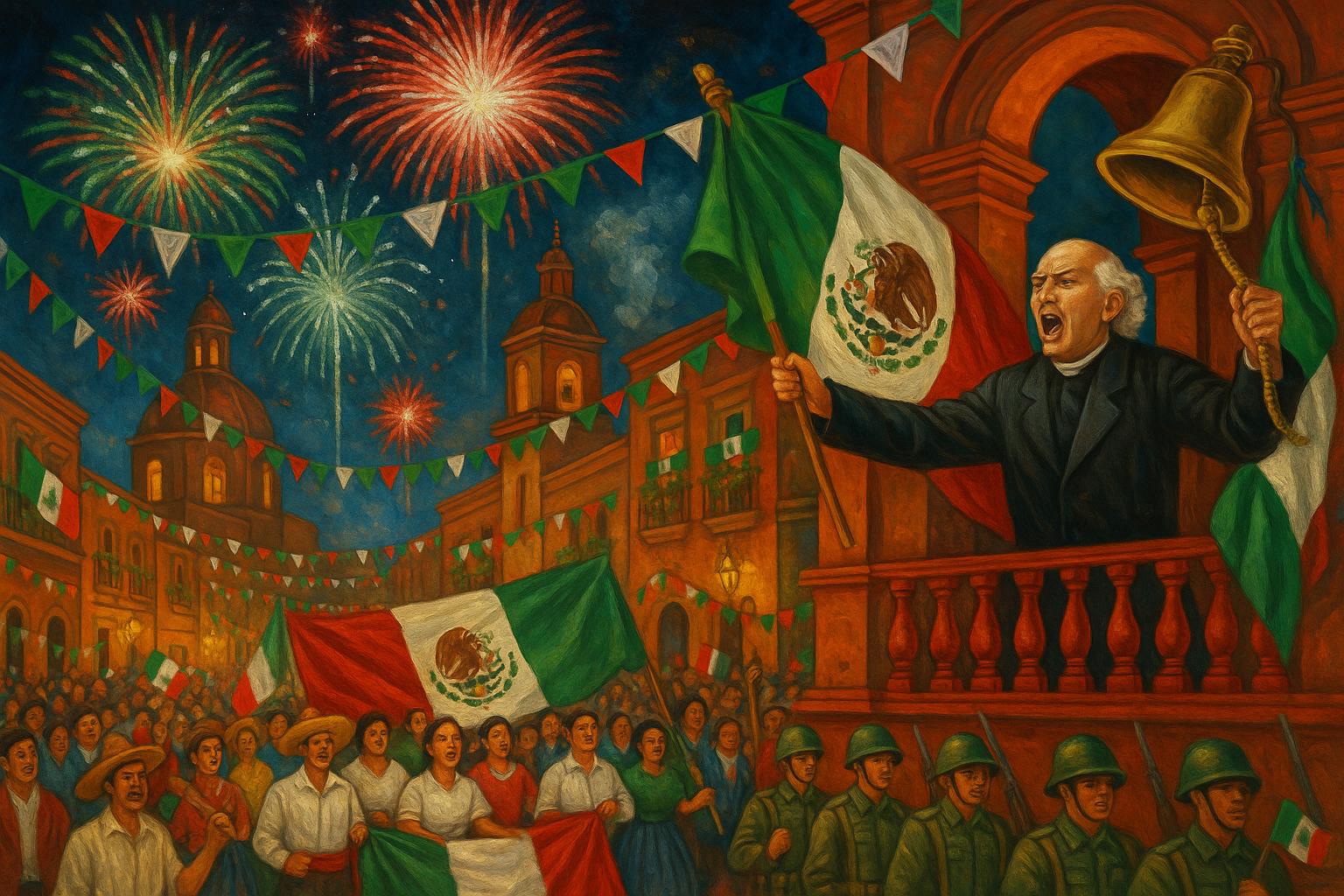
September 16, 1810, marks a pivotal moment when Miguel Hidalgo, a Catholic priest, initiated the uprising against the Spanish colonial government. Known as the “Grito de Dolores” or “Cry of Dolores,” Hidalgo’s impassioned appeal rallied the Mexican people to rise against Spanish rule. This event catalyzed the Mexican War of Independence, a conflict that endured for over a decade until Mexico finally achieved independence in 1821. For readers interested in exploring a comprehensive analysis of this critical historical period, various scholarly resources are accessible, offering detailed narratives and insights into the events that shaped Mexico’s fight for independence.
Ceremonial Observations
Each year, on the eve of September 16th, a grand commemorative ceremony takes place at the National Palace in Mexico City. During this event, the Mexican President delivers a speech from the palace balcony, re-enacting Miguel Hidalgo’s iconic cry for liberty. This ceremony, known as “El Grito,” is a symbolic reminder of the historic call to action and is accompanied by the ringing of church bells, echoing the actions of Hidalgo himself. The event reaches millions as it is broadcast live across various media platforms, allowing the entire nation to participate in this moment of unity and remembrance.
Cultural Celebrations
Throughout Mexico, the ambiance is vibrant as towns and cities bedeck themselves with decorations in the symbolic colors of the national flag: green, white, and red. These colors permeate every aspect of the celebrations, from flags that adorn buildings and pathways to thematic lighting that illuminates public squares. Parades become the heart of the festivities, with communities organizing colorful and lively events showcasing traditional costumes, music, and dance. Fireworks light up the night sky, adding a spectacular visual element to the celebrations.
Traditional foods hold a place of honor in these revelries, reflecting the rich culinary heritage of Mexico. Cherished dishes such as tamales, pozole, and chiles en nogada become central to family gatherings and community feasts. These culinary delights, rich in flavor and history, provide a sensory connection to the cultural roots of the nation.
International Celebrations
Beyond Mexico’s borders, Mexican Independence Day is equally celebrated by expatriate communities and cultural enthusiasts worldwide. Notably, in the United States, home to a significant Mexican population, cities like Los Angeles, Chicago, and Houston host elaborate festivities featuring parades, concerts, and cultural exhibitions. Community centers and local organizations often spearhead these events, serving as focal points for gatherings that bring the essence of Mexican culture to the diaspora.
For those interested in participating in or learning about these international celebrations, a wealth of information is available. Local community websites and cultural organizations often list events, offering details regarding venues and activities designed for the occasion. Click here to explore such resources and learn more about global celebrations of Mexican Independence Day.
Educational and Cultural Resources
Educational institutions seize the opportunity of Mexican Independence Day to impart knowledge about the rich tapestry of Mexican history and culture. Special programs and activities become a means of educating students about the historical circumstances and cultural heritage associated with this day. Classrooms become spaces for storytelling, reenactments, and discussions that delve into the pivotal moments leading to Mexico’s independence.
Beyond the classroom, books, documentaries, and lectures provide additional avenues for individuals eager to delve deeper into the significance of this national holiday. These resources offer varied perspectives and analyses, enriching the understanding of Mexico’s journey to independence and the ongoing impact of this historical event on contemporary Mexican identity.
For those who seek more detailed information about the history, cultural practices, and specific events related to Mexican Independence Day, a plethora of cultural and educational resources are available online. These platforms offer access to scholarly articles, historical documents, and recorded celebrations, catering to anyone keen on exploring the multifaceted dimensions of this crucial day. Access more resources to enhance your understanding and appreciation of Mexican Independence Day.