
The Evolution of Bilingualism in Modern Mexico
The concept of bilingualism in Mexico has evolved significantly over the years, reflecting the country’s rich cultural heritage and diverse linguistic landscape. In contemporary Mexico, bilingualism primarily involves the use of Spanish alongside one or more of the indigenous languages still spoken across the country. This dual-language dynamic serves as a critical bridge connecting Mexico’s past with its present, fostering cultural continuity while promoting inclusivity.
Indigenous Languages in Mexico
According to the National Institute of Statistics and Geography (INEGI), Mexico is home to nearly 68 recognized indigenous languages, including Náhuatl, Maya, Mixteco, and Zapoteco. These languages are spoken by approximately 6.1% of the population, highlighting the country’s vast linguistic diversity. The prominence of these languages varies by region, with higher concentrations in states like Oaxaca, Chiapas, and Yucatán.
The Role of Indigenous Languages in Culture
Indigenous languages in Mexico play a significant role in preserving the cultural identity and heritage of various communities. Each language encompasses unique traditions, histories, and worldviews, contributing to the rich tapestry of Mexican culture. Language is more than just a means of communication; it is a repository of cultural knowledge, traditional wisdom, and communal values. By maintaining these languages, communities can preserve their cultural narratives and ensure that future generations understand their heritage.
Government Policies Supporting Bilingualism
Over recent years, the Mexican government has taken measurable steps to promote and preserve linguistic diversity through a range of policies and initiatives. The 2003 General Law on the Linguistic Rights of Indigenous Peoples affirms the national status of indigenous languages, guaranteeing their preservation, use, and development. This law plays a crucial role in acknowledging the importance of indigenous languages as part of the national identity. It also emphasizes the need for these languages to coexist with Spanish, ensuring that Mexico’s linguistic diversity is respected and promoted.
Furthermore, the government has implemented various educational policies aimed at fostering bilingualism. These policies are designed to support bilingual education systems that encompass instruction in both Spanish and indigenous languages. Such initiatives aim to not only preserve linguistic diversity but also to empower indigenous communities by providing them with the resources and opportunities necessary to thrive in a modern world.
Bilingual Education
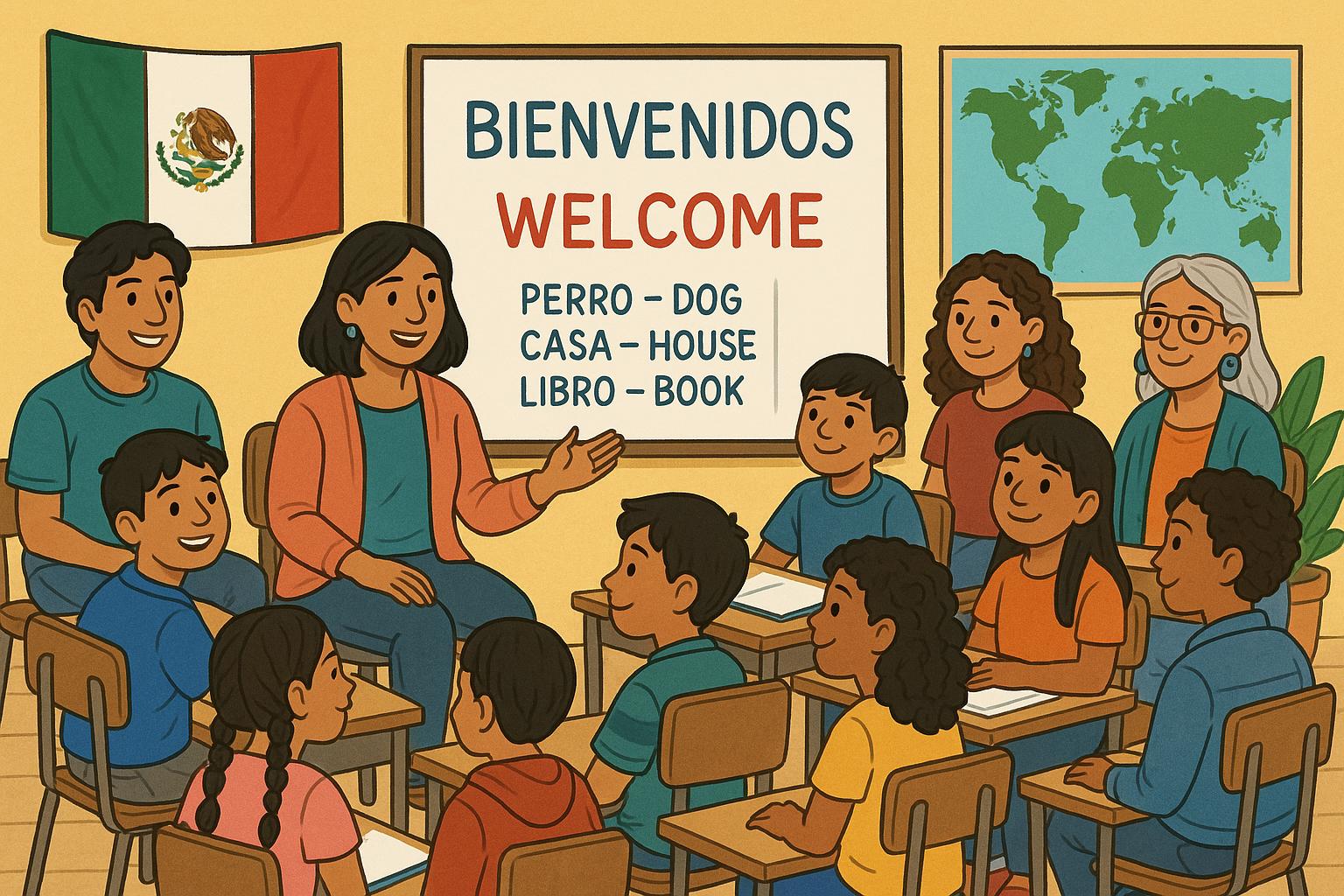
Bilingual education in Mexico aims to offer equal opportunities to indigenous students by teaching them in their native language alongside Spanish. Such programs are designed to respect and maintain cultural identity while providing students with broader access to national and international opportunities. Bilingual schools are especially prevalent in regions with sizeable indigenous populations, where they help bridge linguistic gaps and improve literacy rates.
Aside from academic advantages, bilingual education fosters a sense of pride and resilience among indigenous students. It nurtures an appreciation for their linguistic heritage and instills confidence in their identity. By valuing both Spanish and indigenous languages in educational curriculum, students become more adept at navigating culturally diverse environments and are better prepared to contribute to an inclusive society.
Challenges to Bilingualism
Despite governmental support, the promotion of bilingualism in Mexico faces several challenges. One of the primary concerns is the gradual decline in the number of native speakers of indigenous languages due to urbanization and the growing dominance of Spanish. Many younger generations are increasingly shifting towards Spanish to improve their socioeconomic prospects, leading to a potential erosion of linguistic diversity.
The globalization of media and the influence of popular culture also contribute to language shift, as indigenous youth may perceive Spanish—and, by extension, English—as languages of wider communication and modernity. These factors, coupled with limited resources for indigenous language education, pose significant obstacles to sustaining bilingualism in Mexico.
Efforts to reconcile these challenges focus on strengthening community ties and reshaping education to give equal importance to both languages. By maintaining a balance, Mexico can continue to honor its indigenous heritage while integrating into the global community. Strategies include developing culturally relevant teaching materials, training educators in bilingual methodologies, and leveraging technology to create digital platforms for indigenous language promotion.
Conclusion
The evolution of bilingualism in modern Mexico reflects a complex interplay between preserving cultural heritage and embracing contemporary global dynamics. While there are formidable challenges, the country’s commitment to supporting linguistic diversity through governmental policies, educational reforms, and community initiatives holds promise for a future where bilingualism thrives. As Mexico navigates these linguistic transitions, it holds the potential to set a global example of how diversity can be celebrated and incorporated into the fabric of a nation’s identity.