Introduction to Día de los Muertos
Día de los Muertos, also known as the Day of the Dead, is a deeply meaningful and historically rich celebration, predominantly observed in Mexico. Over the years, it has garnered global recognition, becoming a cultural event celebrated in various parts of the world. Held annually on November 1st and 2nd, the holiday is a time when families and communities gather to honor deceased loved ones, inviting their spirits to return and join in the celebration of life once more. Unlike Halloween, which focuses on spookiness and fright, Día de los Muertos emphasizes remembrance and the celebration of life and death.
Traditional Practices
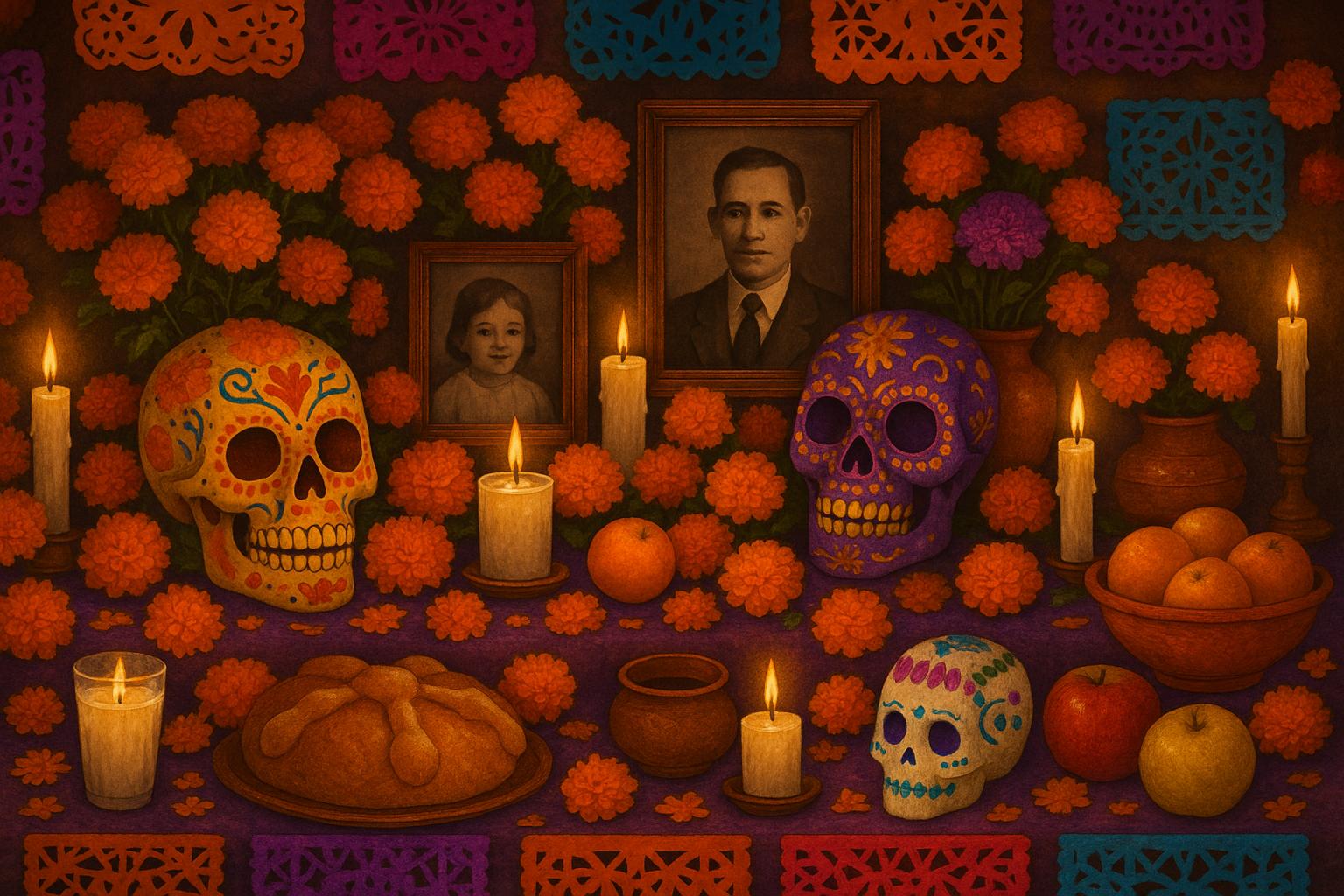
At the heart of Día de los Muertos are the ofrendas, or altars, which are meticulously crafted in homes and cemeteries. These altars act as a welcoming platform for the spirits of the departed. Typically, ofrendas are adorned with a selection of items that hold significance for both the deceased and the living. Among the array of offerings, photographs of the departed take center stage, serving as a visual memory of those who have passed. These photos are often accompanied by an assortment of the deceased’s favorite foods and beverages, symbolizing the continuation of care and love beyond death.
An important, traditional component often found on these altars is pan de muerto, a special type of bread baked specifically for the occasion. It is characterized by its distinctive shape, which is designed to represent the cycle of life and death. Sugar skulls, another prominent feature, are artistically crafted with vibrant colors and designs, reflecting the belief in celebrating both life and death as vital components of our existence.
The inclusion of marigold flowers, or cempasúchil, is significant due to their vibrant orange hue and distinct fragrance. These flowers are believed to guide the spirits back to their altars, facilitating a reunion between the living and the dead.
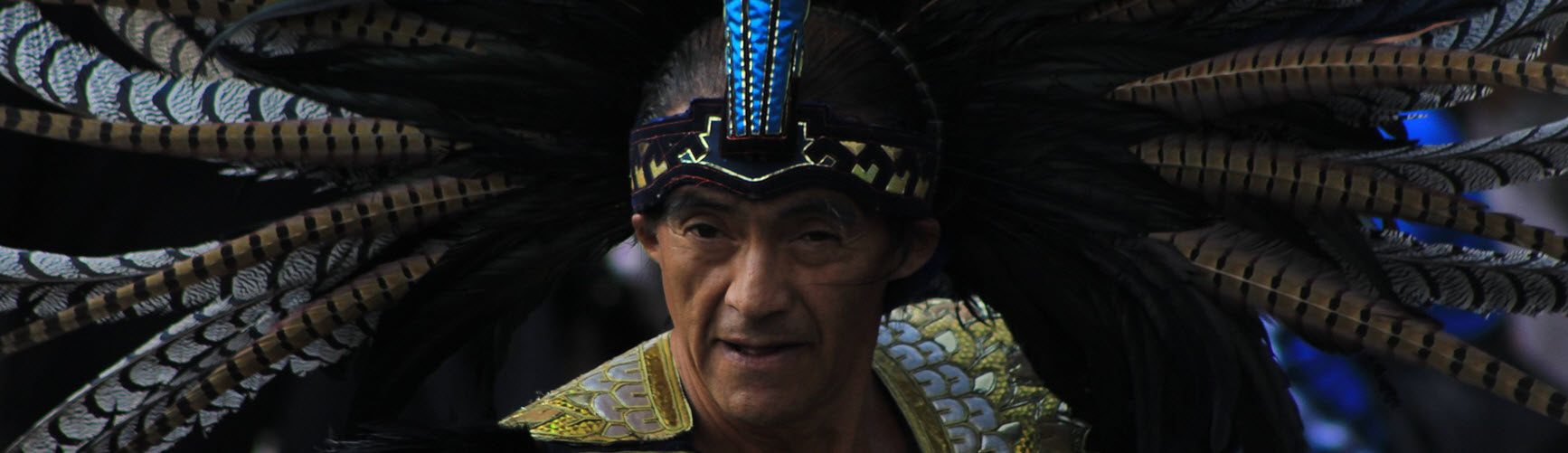
Visiting cemeteries is another integral part of this tradition. On these visits, families come together to clean and decorate the gravesites of their loved ones. This often involves an infusion of music, as musicians are hired to play tunes dearly loved by those who have passed. Additionally, community events such as parades and public festivals form a cornerstone of the celebrations. These events seamlessly combine age-old indigenous customs with aspects of contemporary culture, resulting in a vibrant, communal gathering.
Symbols and Their Meanings
Día de los Muertos is steeped in profound symbolism, each element carrying unique meanings and insights into the cultural perspectives on life and death. One prominent symbol is La Catrina, often depicted as a skeletal figure dressed in opulent attire. This figure serves as a poignant reminder that death is the ultimate equalizer, transcending social status and wealth.
The tradition of decorating with whimsical, colorful skulls further embodies the perception of death as a natural component of life’s continuum. This perspective is deeply rooted in the traditions of pre-Columbian societies, reflecting an enduring cultural belief that life and death are interwoven, cyclical, and worthy of celebration.
Modern Practices and Global Influence
Over time, Día de los Muertos has undergone a notable transformation, with traditional customs merging with contemporary influences and interpretations. This evolution has paved the way for the holiday to permeate global popular culture, inspiring celebrations and events in the United States and beyond. Worldwide, these celebrations often include community gatherings filled with traditional music, dance, and crafts, all contributing to a festive atmosphere.
The fusion of modern practices is especially evident in the increasingly creative designs of altars and costumes. These may incorporate non-traditional elements, reflective of personal stories or contemporary themes, allowing individuals the freedom to celebrate the holiday in ways that resonate personally. This adaptability makes Día de los Muertos appealing to people seeking to honor the past while celebrating life in a meaningful and personalized manner.
Conclusion
In the present day, Día de los Muertos remains a vital tradition, serving as a powerful reminder of the importance of cherishing memories of loved ones and embracing the life-death cycle. The holiday’s enduring presence exemplifies cultural resilience and highlights an increasing global appreciation for diverse, multicultural festivities. Whether observed in its traditional essence or adapted to contemporary sensibilities, Día de los Muertos endures as a lively and colorful celebration. It reinforces the bonds between ancestors and descendants, fosters a sense of community, and promotes a culture of remembrance and unity.