Introduction to Mexican Literary Movements
Mexican literature is a rich tapestry woven from a variety of influences, both indigenous and foreign. Its development has been shaped by social, political, and historical contexts, giving rise to distinctive movements and styles over the centuries. An exploration into these movements offers an insightful look into Mexico’s cultural landscape, merging diverse heritages and periods, each leaving an indelible mark on the nation’s literary traditions.
Pre-Columbian and Colonial Literature
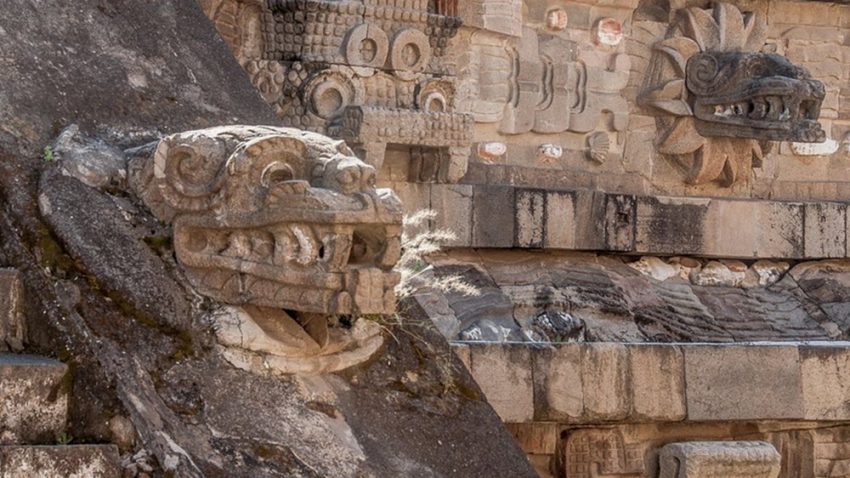
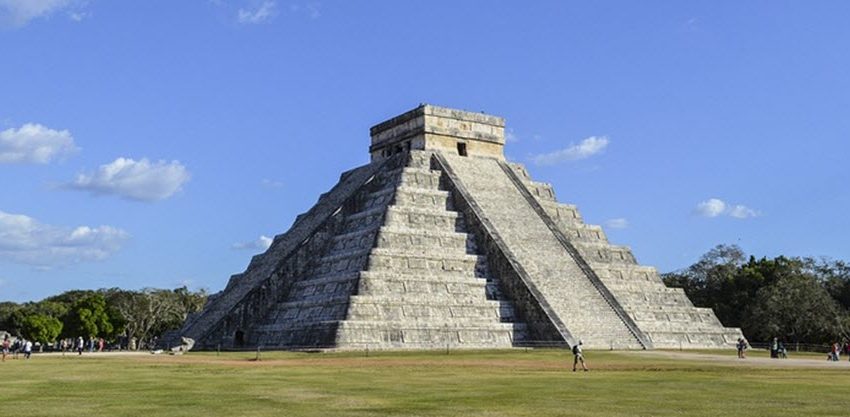
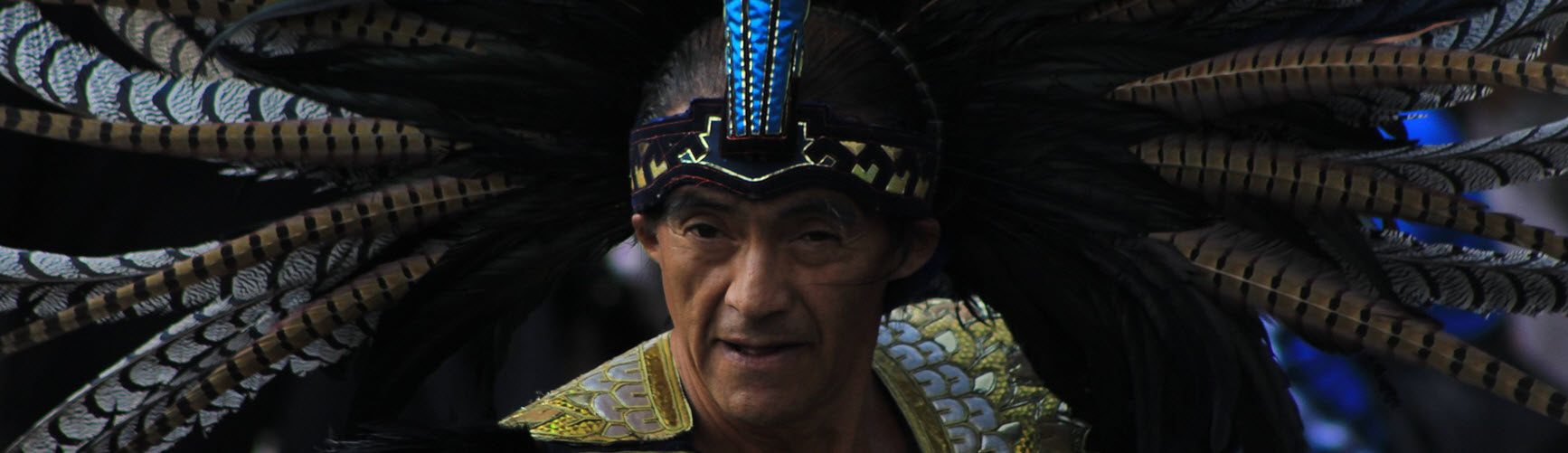
The narrative of Mexican literature finds its origins in the Pre-Columbian period. In this era, indigenous civilizations like the Maya and Aztec made significant contributions through oral storytelling, codices, and poetry. These forms were more than mere stories; they were cultural repositories, preserving the values, beliefs, and history of these early societies.
The arrival of the Spaniards catalyzed the development of colonial literature. It was a time when the convergence of indigenous cultures and Spanish influences birthed unique literary forms. This era is marked by chronicles and religious texts, often crafted to describe and justify the Spanish conquest. The blend of these divergent cultural streams resulted in a literature that was distinct, reflecting both conflict and synthesis.
Baroque Influence
The Baroque style made a profound impact on Mexican literature during the colonial period. This movement, characterized by extravagant language, intricate metaphors, and complex symbolism, was a reflection of the grandiose and often convoluted ethos of the time. One of the most iconic figures from this period is Sor Juana Inés de la Cruz. A nun and an intellectual, she profoundly shaped the Mexican literary domain by embedding religious devotion within the pursuit of knowledge. Her works remain pivotal, showcasing the depth of thought and sophistication that the Baroque style heralded.
19th Century: Romanticism and Realism
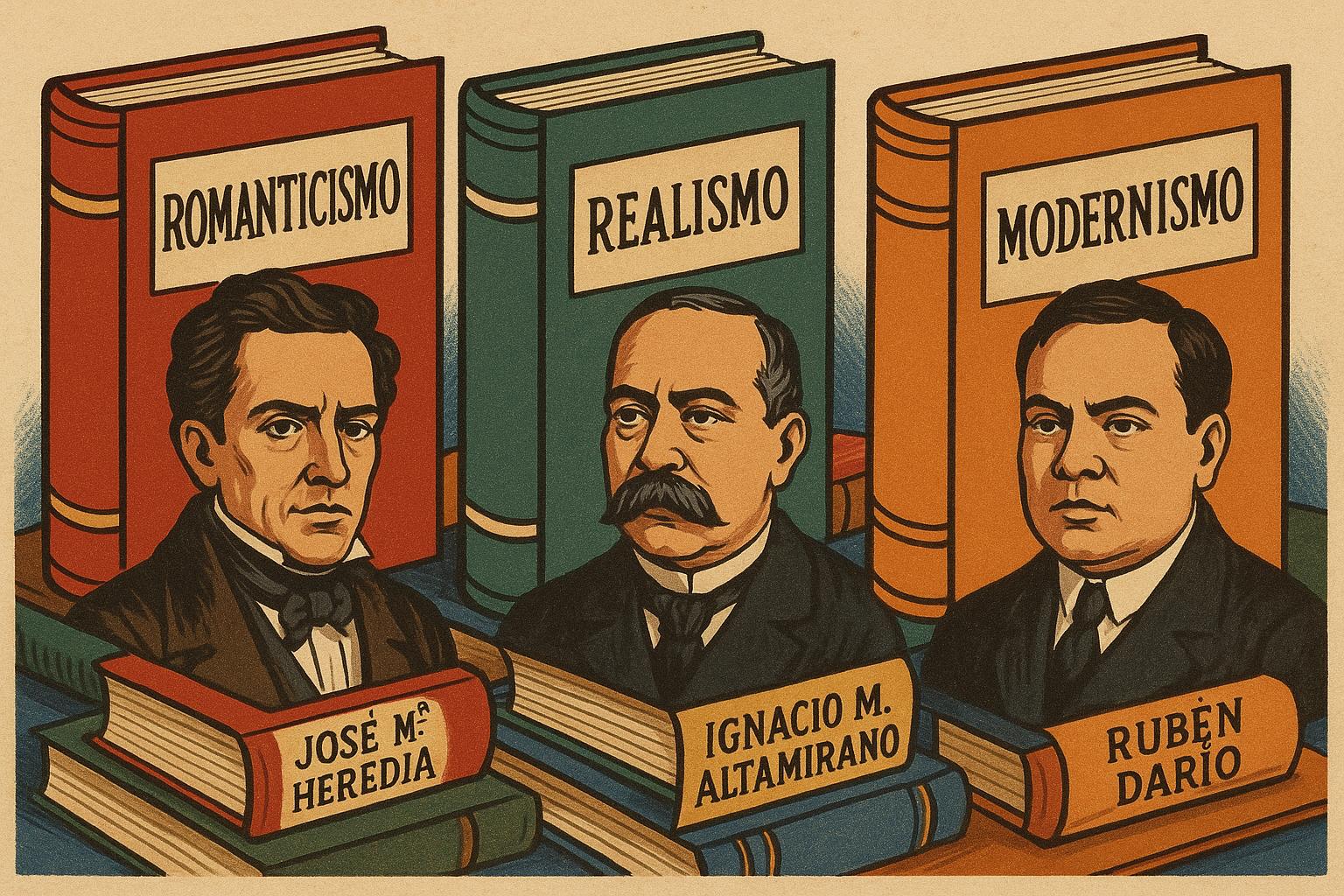
As Mexico leaned towards independence, its literature mirrored the evolving national identity. Romanticism emerged, characterized by an emphasis on emotion, nature, and individualism. Authors such as Manuel Acuña became quintessential figures during this time, reflecting personal emotion amidst broader cultural issues. Romanticism in Mexico was not merely about personal feelings; it was a reflection of societal shifts and a reimagining of cultural identity.
Following Romanticism was the age of Realism. This movement was marked by its focus on the lives of ordinary people, striving to portray life with accuracy and authenticity. Inspired by European literary trends, Mexican realists tackled social issues, class disparities, and the intricate fabric of Mexican society. It was a shift towards representing life and its harsh realities, a counter to the idealized narratives of the Romantic era.
The Modernista Movement
The Modernista Movement, which emerged around the turn of the 20th century, signaled a literary renaissance in Mexico. This style was a response to the confines of Realism, favoring aesthetic beauty, symbolism, and cosmopolitan themes. Figures like Manuel Gutiérrez Nájera and Amado Nervo became central to this movement, deftly blending local color with expansive philosophical and artistic explorations. Their works are celebrated for their stylistic elegance and exploration of profound universal themes.
20th Century: The Revolution and Beyond
The Mexican Revolution was a seismic event that significantly influenced literature. Revolutionary literature emerged as a means to capture the chaos and social upheaval of the period. A pertinent example is Mariano Azuela’s “Los de abajo”, a novel often hailed as a quintessential depiction of the Revolution’s impact on Mexican society. Such works provided an unvarnished look at the brutality and transformative nature of the Revolution, resonating with the realities of an evolving nation.
In the wake of the Revolution, there was a surge in Mexican nationalism within literature. Authors like Octavio Paz delved into themes of identity and philosophy, deeply examining the Mexican cultural heritage. His poetry and essays are profound explorations of the Mexican psyche, capturing societal changes and existential quests for self-understanding.
Existentialism and Magical Realism
As the 20th century progressed, Mexican literature embraced a variety of styles, notably existential reflections and magical realism. Magical realism, though frequently associated with other Latin American writers, found its place in Mexico’s literary scene, blending mystical elements into the fabric of everyday life. This genre’s ability to weave the extraordinary with the ordinary offered fresh perspectives on reality and identity.
Contemporary Mexican Literature
Today, Mexican literature is a dynamic and evolving entity, with writers exploring and experimenting across various genres. Contemporary authors are engaging with issues such as globalization, migration, and violence, adding complex layers to the Mexican literary tradition. This ongoing evolution illustrates the adaptability of Mexican literature and its enduring capacity to resonate with readers.
The contemporary literary landscape is marked by a dialogue between the past and the present, continually redefining what it means to be Mexican in a globalized world. Authors are not only reflecting personal experiences but are also critical observers of the broader social context, contributing to a rich and varied literary canon.
Conclusion
The journey of Mexican literature reflects the broader historical and cultural shifts of the nation itself. From its indigenous roots through colonial influences, and into contemporary expression, each movement and style has contributed to an enriched understanding of Mexican identity. This literary heritage offers a mirror into the soul of Mexico, capturing its struggles, triumphs, and transformations over the centuries. For those interested in delving deeper into this vibrant literary journey, committed research and dedicated reading will reveal the nuanced tales that form the mosaic of Mexico’s literary history.