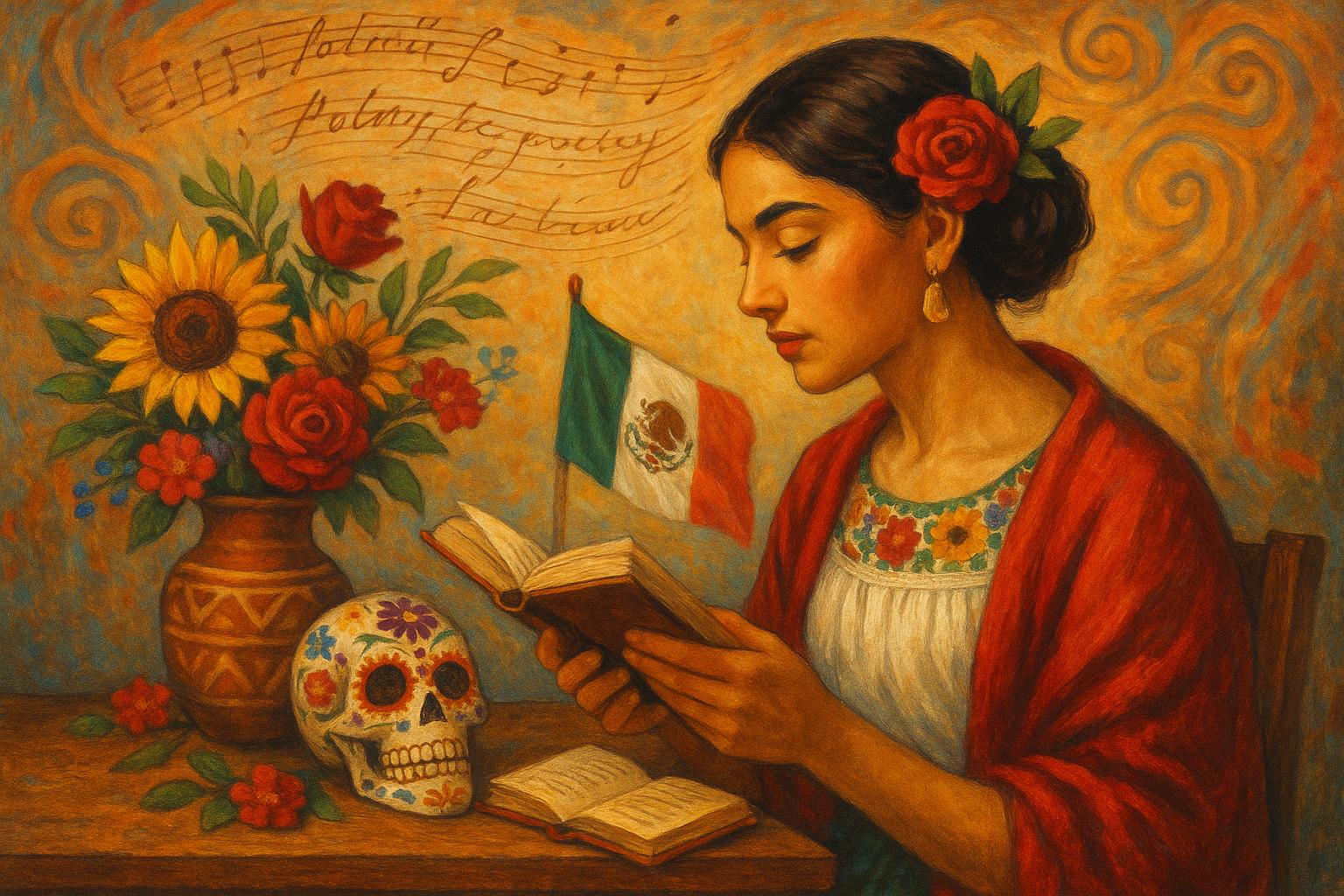
Introduction to Mexican Poetry
Mexican poetry is an integral part of Latin American literature, illustrating the profound depth of Mexican culture and history. It provides an insightful reflection into the societal changes, cultural paradigms, and historical events of the region. The richness of the Spanish language, coupled with indigenous influences, makes Mexican poetry a unique and significant literary form.
Historical Overview
Mexican poetry traces its roots back to pre-Hispanic times, with indigenous peoples such as the Aztecs and Mayans producing some of the earliest known poetic works. Following the Spanish conquest and colonization, Mexican poetry began to evolve, blending indigenous themes with European influences. This fusion has contributed to the distinct characteristics present in contemporary Mexican poetry.
Nezahualcóyotl: A Poetic Legend
One of the most revered figures in Mexican poetry is Nezahualcóyotl, an Aztec king and poet. His works are an essential component of pre-Columbian literature, characterized by reflections on nature, love, and the human condition. His legacy continues to influence Mexican writers and poets today.
Colonial to Modern Times
During the colonial period, Mexican poetry was heavily influenced by European baroque and romantic styles. The onset of the Mexican Revolution in the early 20th century brought about another transformation, with poets expressing themes of social justice and political reform. Modern Mexican poetry incorporates these historical elements, often exploring issues of identity, displacement, and imperialism.
Key Figures in Mexican Poetry
Several poets have left a monumental impact on Mexican literature through their innovative styles and powerful themes.
Octavio Paz
A Nobel Prize laureate, Octavio Paz is one of the most influential figures in Mexican poetry and essays. His work explores existential themes and deep philosophical questions. Paz’s poetry is known for its vivid imagery and complex narratives, which often touch on Mexican history and identity.
Sor Juana Inés de la Cruz
Considered one of the greatest literary figures of the Spanish Golden Age, Sor Juana Inés de la Cruz was a nun whose poetry and prose challenged the gender norms of her time. Her work often dealt with themes of feminism and the pursuit of knowledge.
Cultural Impact of Mexican Poetry
Mexican poetry holds significant cultural value, offering both a historical perspective and a contemporary voice to the diverse experiences within Mexican society. It is studied and celebrated not only for its artistic expression but also for its political and social insights.
Preservation of Indigenous Traditions
Mexican poetry plays a crucial role in preserving indigenous languages and traditions. Many contemporary poets write in Nahuatl, Maya, and other indigenous languages, ensuring these cultures’ continued survival and relevance in modern society.
Influence on Contemporary Arts
The artistry of Mexican poetry extends its influence beyond literature, affecting areas such as visual arts, music, and theater. The rich imagery and profound narratives often inspire artists across various media, bridging cultural and artistic circles.
Integration with Visual Arts
In the visual arts, Mexican poetry finds expression through partnership with painters and muralists who use poetic themes and images in their artwork. Renowned artists have incorporated elements from Mexican poetic works into expansive murals, blending visual storytelling with the depth and nuance of poetry. This fusion of visual and literary expression contributes to an immersive understanding of Mexican culture.
Musical Interpretation
Within music, Mexican poetry finds resonance in lyrical content, often inspiring regional and contemporary musicians. The musicality inherent in poems enriches songs with layers of meaning that complement traditional melodies. Furthermore, folk songs frequently integrate poetic verses, keeping the oral tradition alive while reaching wider audiences.
Adaptation in Theater
Theater offers another dimension of expression for Mexican poetry, as dramatic performances breathe new life into classical and modern poems. Playwrights often adapt these literary works into scripts, using the emotive power of poetry to captivate audiences. This interaction between poetry and theater emphasizes the adaptability and enduring relevance of poetic narratives.
Exploration of Mexican Identity
The exploration of identity stands out as a major theme in Mexican poetry, as poets frequently address the complexity of national and cultural identity. Poetic works dissect identity along facets such as ethnicity, class, and gender, offering a nuanced reflection of contemporary society. Through introspection and social commentary, poetry serves as a mirror to the collective Mexican experience.
Political and Social Commentary
Mexican poets often utilize poetry as a vehicle for political and social commentary, addressing issues such as social justice, equality, and government policies. The power of poetry lies in its ability to communicate these messages succinctly and impactfully, often encouraging dialogue and sparking change. The history of political poetry in Mexico demonstrates the poets’ commitment to advocating for societal improvements.
Conclusion
Mexican poetry is a vibrant and enduring element of the nation’s cultural heritage. Through its historical evolution and influence, it continues to shape and reflect the complexities of Mexican identity, making it an indispensable part of the global literary landscape. It not only bridges the past and present but also inspires future generations of writers and readers. Those interested in exploring the depths of Mexican culture can find valuable resources on numerous literary platforms dedicated to showcasing these works.