
Overview of Pre-Columbian City Planning in Mexico
The study of pre-Columbian city planning in Mexico reveals a sophisticated approach to urban design that existed long before the arrival of European influences. The architectural techniques and city layouts employed by these ancient civilizations reflect a profound understanding of geography, cosmology, and cultural values, highlighting their advanced knowledge and strategic foresight.
Key Civilizations
Pre-Columbian Mexico was home to several remarkable civilizations known for their impressive city planning skills. Among the most notable were the Aztecs, Maya, and Teotihuacan cultures. Each of these civilizations developed distinct urban designs that catered to their unique religious beliefs and social hierarchical structures. The cities often functioned as ceremonial centers, underscoring their cultural and religious significance and serving as hubs of political and economic activity.
Teotihuacan: The Metropolis
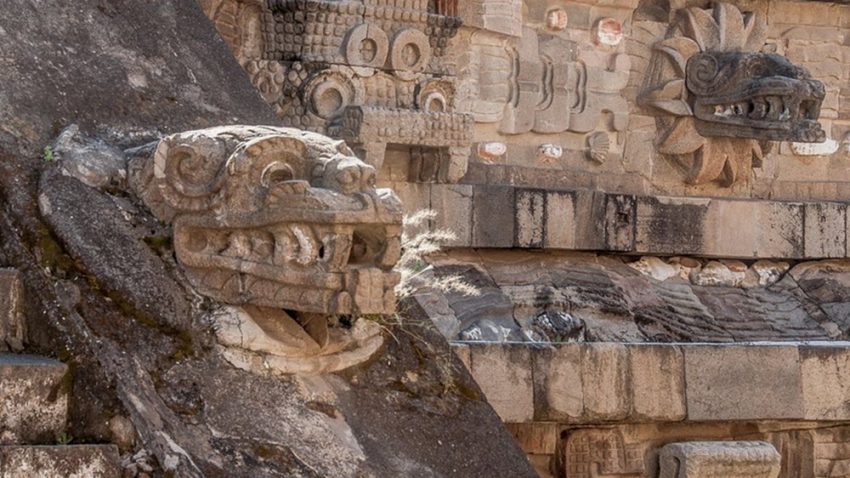
Teotihuacan, situated northeast of modern-day Mexico City, serves as a quintessential example of early city planning. Its grid layout exemplified an advanced understanding of urban organization and management. At its peak, the city ranked among the largest in the world, with an estimated population exceeding 100,000 inhabitants. The layout of Teotihuacan featured the prominent Avenue of the Dead, a central thoroughfare that connected key structures, including the monumental Pyramid of the Sun and Pyramid of the Moon. These architectural marvels were not only grand in scale but also meticulously aligned with celestial phenomena, demonstrating the civilization’s sophisticated knowledge in multiple disciplines. More information on current archaeological efforts in Teotihuacan can be found through dedicated archaeological sites.
Aztec Tenochtitlan: The Island City
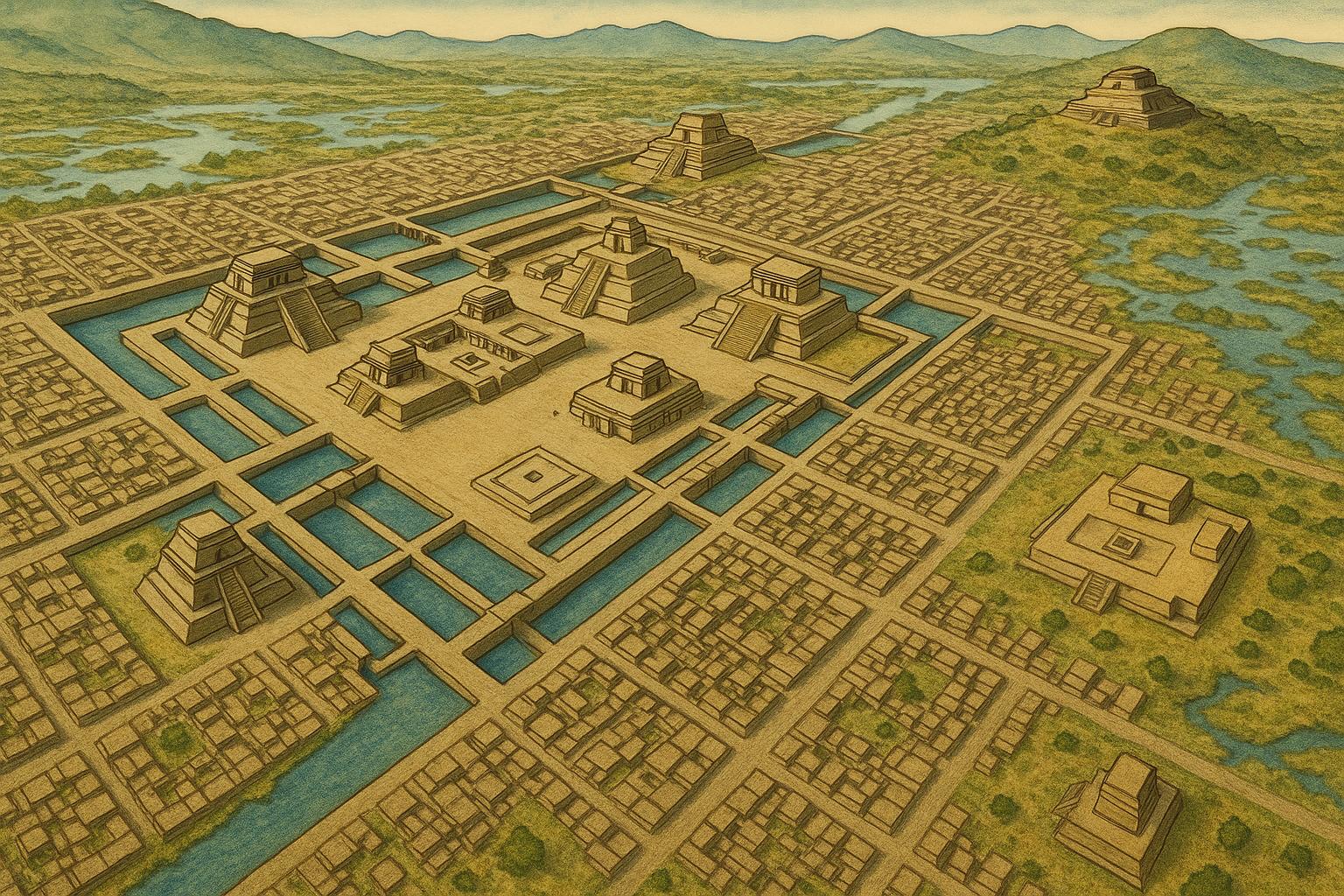
The Aztec capital of Tenochtitlan marked an impressive feat of engineering and planning as it was built on an island within Lake Texcoco. The unique location presented numerous engineering challenges, which the Aztecs overcame through innovative solutions. Notably, they used chinampas, or floating gardens, to create fertile land suitable for agriculture. This engineering solution enabled them to sustain their civilization’s burgeoning population. Tenochtitlan’s urban layout was methodically divided into four main quadrants, each representing one of the cardinal directions, with the grand Templo Mayor situated at its core. This design showcased the integration of political authority and religious practices, providing a nexus for social, economic, and spiritual activities.
Maya City States: Architectural Diversity
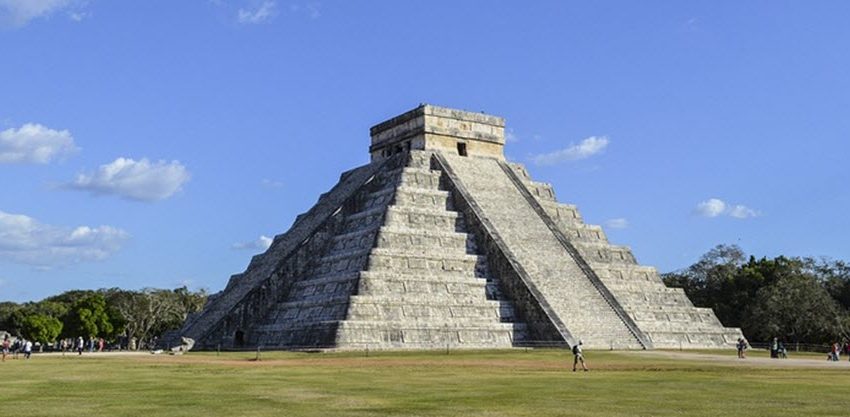
Unlike the centralized urban model seen in some civilizations, the Maya civilization was characterized by a myriad of city-states, each boasting its own unique layout and architectural style. Key sites like Chichen Itza, Palenque, and Tikal offer an insight into the remarkable diversity within Maya architecture. The positioning of temples, palaces, and plazas was often meticulously aligned with astronomical events, demonstrating the Maya’s advanced understanding of astronomy and its integration into their urban planning. This celestial alignment reflected not only scientific prowess but also the profound cultural significance the stars and planets held in their society.
Principles of Pre-Columbian Urban Design
The underlying principles of pre-Columbian urban planning in Mexico were characterized by deep integration with nature, religious beliefs, and social organization. The precise alignment and proportion of buildings indicate a sophisticated understanding of mathematical concepts. Water management was a critical element in city planning, particularly in cities like Tenochtitlan, where engineering ingenuity was pivotal in overcoming environmental challenges.
Religious and Cosmological Significance
Many urban plans in ancient civilizations had dual functions serving both as living spaces and religious centers. Structures were often oriented to reflect cosmological beliefs, with the cardinal directions playing a crucial role in their design. Plazas, serving as central hubs for both civic life and ceremonial purposes, were often designed to accommodate large gatherings for religious observances and community activities, highlighting their social importance.
Water Management Strategies
Water management was a cornerstone of pre-Columbian urban planning, particularly evident in the Aztec city of Tenochtitlan. The use of aqueducts, canals, and artificial islands not only facilitated agricultural productivity but also ensured a reliable water supply for the city’s inhabitants. This intricate system of water management reflects the ingenuity of the Aztecs and their ability to adapt to and overcome environmental constraints. Exploring more about their water management techniques can provide valuable insights for contemporary urban planners.
Modern Implications
The architectural legacy of these pre-Columbian civilizations continues to influence contemporary city planning, particularly in regions that maintain strong cultural connections to their historical roots. Modern urban planners often draw inspiration from the principles of sustainability, integration with the natural environment, and multifunctional public spaces that characterized ancient city designs. For a more detailed exploration of this influence, consider exploring resources from historical urban design organizations.
In conclusion, pre-Columbian city planning in Mexico reveals a high degree of architectural ingenuity and cultural sophistication. These ancient urban designs not only served the practical needs of their societies but also reflected their spiritual and cosmological worldviews. The enduring impact of these planning principles is evident in both historical studies and modern urban planning practices, demonstrating the timeless relevance of the strategies employed by these remarkable civilizations.