The Role of Oral Traditions in Mexican Culture
The rich tapestry of Mexican culture is interwoven with vibrant oral traditions that have played a critical role in preserving the country’s history, values, and collective memory. Oral traditions in Mexico, such as stories, legends, and communal narratives, are vital for the continuation of cultural identity and heritage across generations. These narratives are more than simply remnants of the past; they are living entities that evolve and adapt over time, reflecting the changes in society while maintaining their core elements.
Historical Significance
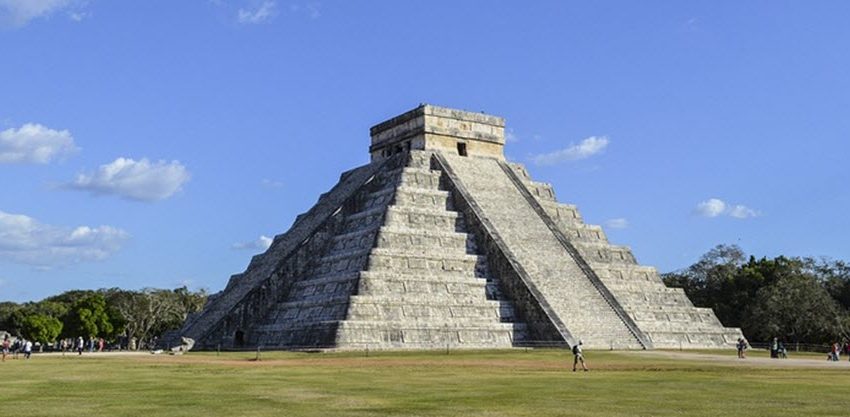
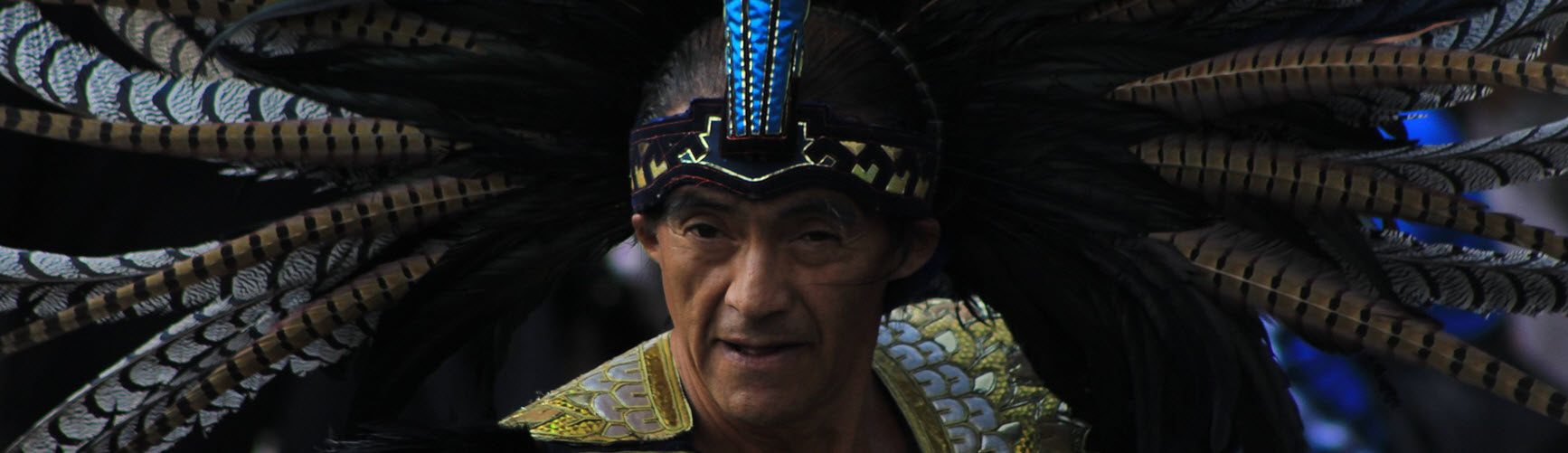
Before the arrival of European colonists, indigenous societies, including the Aztecs and Mayans, relied extensively on oral storytelling as a means of documenting their histories and cosmologies. These oral traditions were a sophisticated method of communication, encompassing not just entertainment but also the fundamental processes of sharing knowledge and cultural values. The historical significance of these traditions cannot be overstated—stories encapsulated moral lessons, social values, and the community’s understanding of the world, serving both educational and ceremonial purposes.
Indigenous Narratives
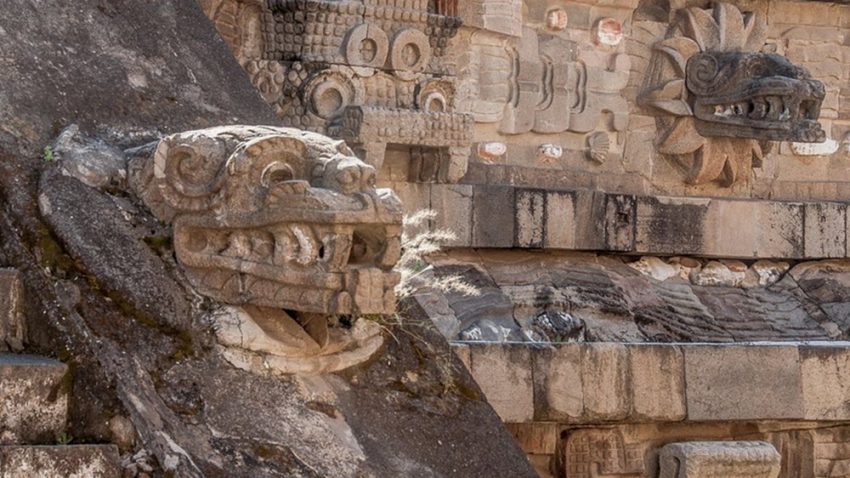
Indigenous communities in Mexico have long held onto spoken word traditions. Myths and legends, such as the story of Quetzalcoatl, the plumed serpent deity, continue to be retold. These narratives are not mere tales but are often infused with spiritual significance, being an essential aspect of indigenous cultural identity. They represent the intricate belief systems and cosmologies of the indigenous people, offering insight into pre-colonial thinking and worldview. Oral traditions like these have persisted through generations, serving as pillars of cultural continuity even as other elements of indigenous life were significantly altered.
Spanish Influence
The Spanish colonization introduced new elements to Mexican oral traditions. Spanish colonialism brought with it European cultural elements that merged with indigenous narratives. The resulting syncretism enriched the storytelling landscape, creating new tales and expanding the themes covered in oral traditions. This blending produced a unique tapestry of stories that incorporated both European and indigenous elements, a testament to the resilience and adaptiveness of Mexican culture. Over time, these stories have evolved, showing influences in language, themes, and moral lessons, thus reflecting the complex history of Mexico’s cultural development.
Contemporary Impact
In modern Mexico, oral traditions remain influential across both rural and urban settings. These narratives have adapted to modern contexts while maintaining the essence of their original messages. Oral traditions continue to inform cultural practices, reflecting both continuity and change. They are dynamic and adaptable, capable of incorporating contemporary issues while maintaining a link to the past.
Festivals and Celebrations
Oral traditions find vibrant expression in festivals such as Día de los Muertos (Day of the Dead), where stories of ancestors are shared to honor their memory. This annual celebration is a vivid illustration of how oral traditions perpetuate cultural practices and collective memory. During such events, storytelling plays a crucial role, providing a platform for the community to come together, reminisce, and reinforce their shared heritage. The stories told during these celebrations serve to pass on essential cultural narratives and values, ensuring that they remain alive and relevant for future generations.
Role in Education
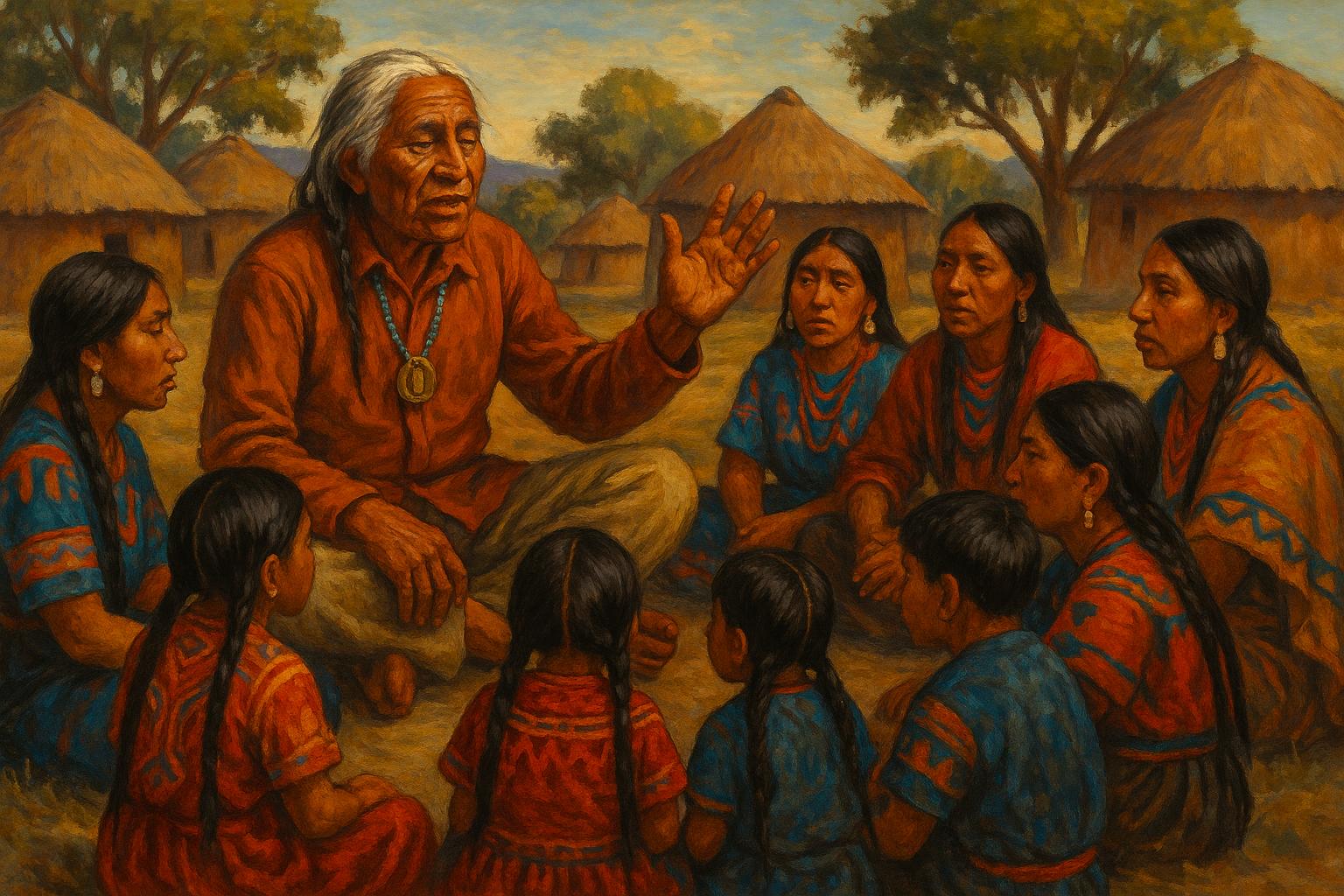
Oral storytelling is also a tool for education in many rural communities, where access to written resources may be limited. Through oral traditions, children and young adults are taught local history, language, and customs, ensuring these important elements are passed down through generations. The knowledge shared in this manner often transcends what can be found in textbooks, as it includes localized insights and contextual understanding that are critical for a comprehensive sense of identity and belonging.
Cultural Preservation and Challenges
Despite their importance, Mexican oral traditions face challenges in the modern age. Urbanization, technological advancement, and the declining number of fluent indigenous language speakers pose threats to the survival of some traditions. The rise of digital media and the increasing preference for written and visually recorded histories can overshadow these orally transmitted narratives. However, efforts to document and revitalize these traditions, often through cultural preservation initiatives and educational programs, are crucial.
Organizations such as the Mexican Cultural Heritage Organization and similar bodies strive to safeguard these narratives by recording them and promoting their importance within and outside of Mexico. By doing so, they aim to ensure that these oral traditions remain an integral part of Mexican cultural expression, providing not just a link to the past but also a framework for understanding and negotiating the future.
Conclusion
Oral traditions are indispensable for understanding Mexico’s past and present. They are dynamic markers of identity, endlessly adaptable yet persistently rooted in the rich cultural soil from which they emerged. As Mexico navigates the future, the ongoing preservation of these traditions remains a central concern for maintaining its cultural heritage. Each story told is a testament to the strength and resilience of a people who have used these narratives not only as a means of survival but as a foundation upon which to build a cohesive and enduring cultural identity. By valuing and revitalizing these oral traditions, Mexicans continue to celebrate their heritage and perpetuate the rich cultural mosaic that defines their nation.