Understanding Cinco de Mayo: Origins and Misconceptions
Cinco de Mayo, widely misunderstood as Mexican Independence Day, occupies a unique and significant place in history and cultural traditions. Although it has become increasingly popular, especially in the United States, having a clear understanding of its origins and the common misconceptions surrounding this day is essential.
The Historical Significance of Cinco de Mayo
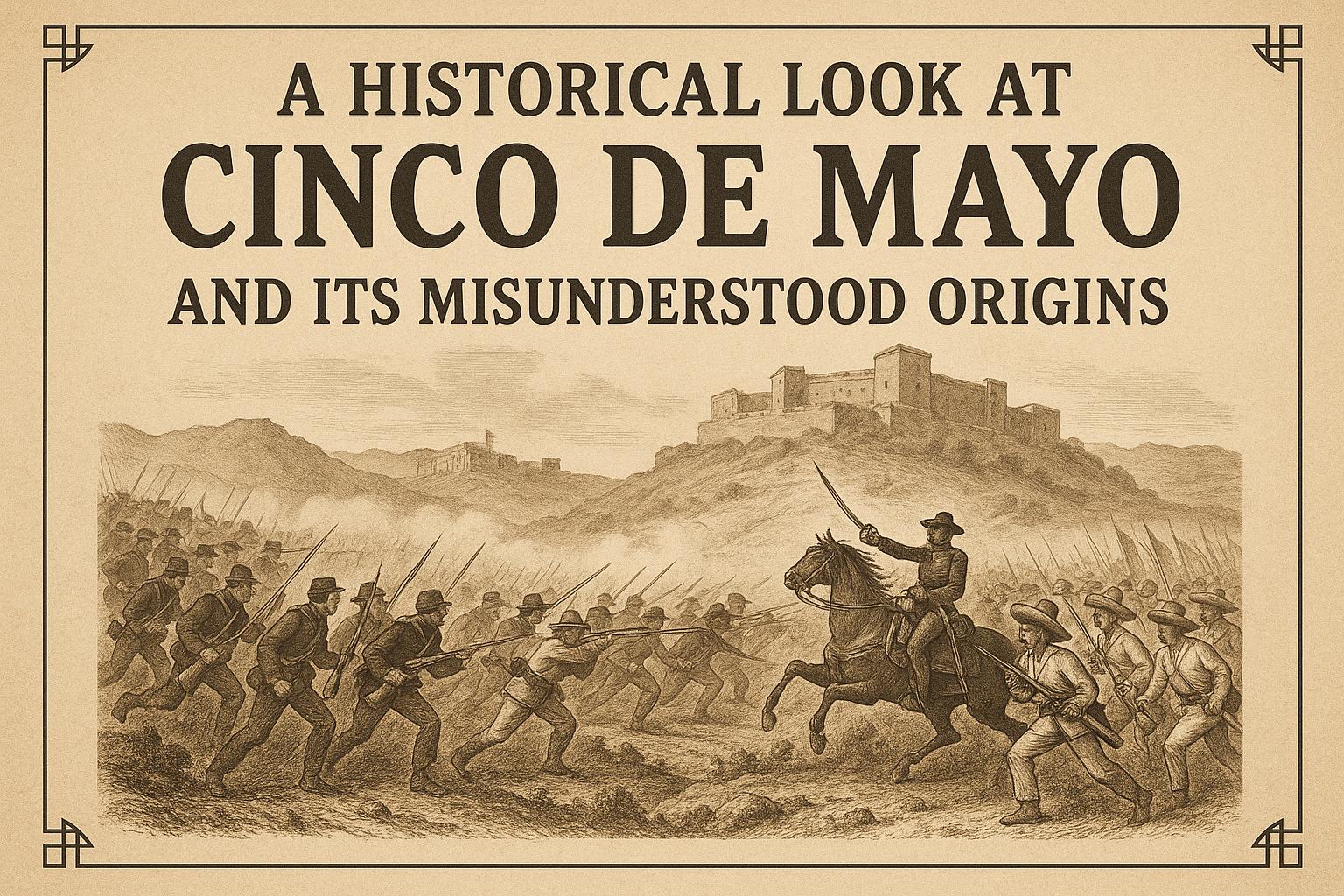
On May 5, 1862, the Mexican army achieved an unexpected victory over the French forces at the Battle of Puebla during the Franco-Mexican War (1861-1867). This battle, although not a major strategic win in the larger scope of the war, symbolized the resilience and determination of the Mexican people against foreign intervention. Under the leadership of General Ignacio Zaragoza, the Mexican troops managed to overcome the better-equipped French army. This victory became a source of national pride, signifying a spirited defense of Mexican sovereignty against significant odds.
Why It’s Not Mexican Independence Day
A widespread misconception about Cinco de Mayo is that it celebrates Mexican independence. However, the actual Mexican Independence Day is celebrated on September 16. This date marks the beginning of the struggle for independence from Spain in 1810, a conflict that lasted over a decade. To grasp the differences between these two celebrations and their respective significances, a deeper dive into the individual histories of each event is crucial. While both serve as points of national pride, they commemorate different historical milestones.
Cultural Celebration and American Influence
In Mexico, Cinco de Mayo is observed as a relatively modest event, with significant recognition primarily in the state of Puebla, where the Battle of Puebla took place. Conversely, in the United States, the day has transformed into a broader celebration of Mexican-American culture, often detached from its original historical context.
Commercialization in the United States
During the latter half of the 20th century, Cinco de Mayo’s popularity in the United States grew substantially, largely driven by commercial interests, particularly within the food and beverage industry. As a result, many Americans have embraced the day with festivities that feature Mexican foods, music, and drinks. This commercial embrace has amplified the holiday’s recognition and transformed it into a more generalized celebration of Mexican culture, even as it diverges from its historical roots.
Misconceptions and Their Origins
Several factors have contributed to the misconceptions surrounding Cinco de Mayo, including its commercialization and how it is portrayed in the media. Some key misunderstandings include:
Confusion with Independence Day: As initially noted, many people mistakenly equate Cinco de Mayo with Mexico’s Independence Day. This confusion often stems from the widespread celebration of the day in places like the United States.
Scale of the Victory: While the Battle of Puebla was indeed a proud moment for Mexico, it was not a decisive victory in the larger Franco-Mexican War and did not mark the end of French occupation in Mexico. Despite this, the symbolic aspects of the battle have made it an enduring point of national pride.
Widespread Mexican Festivity: The extensive party atmosphere prevalent in the United States does not reflect traditional Mexican practices on this day. Celebrations within Mexico are typically more localized and subdued, particularly outside of Puebla.
Educational Resources
To dive deeper into the topic of Cinco de Mayo and to develop a better understanding of its historical and cultural significance, accessing educational resources is vital. Numerous credible institutions and scholarly articles are available to provide further insight into this subject. Learning from reliable sources ensures that the information one absorbs is accurate, fostering cultural respect and preventing the perpetuation of incorrect narratives.
Conclusion
Cinco de Mayo stands as an important cultural symbol and a marked point in history that, over time, has been reshaped by misconceptions and commercial adaptations. Recognizing its authentic origin as the commemoration of the Battle of Puebla allows for a celebration that aligns more closely with its historical roots. While appreciating the vibrant Mexican-American culture that emerges on this day, it is crucial to honor the event with cultural respect, understanding, and accuracy.
In appreciating Cinco de Mayo, we are reminded of the richness and diversity that history and culture bring to our lives. Awareness of such events allows us to engage in more meaningful celebrations that respect and honor the heritage from which they come. In doing so, we not only enrich our own cultural experiences but also contribute to a broader understanding and appreciation of global histories.