Introduction to Semana Santa
Semana Santa, or Holy Week, stands as a cornerstone in the religious observances of Christians globally. This pivotal celebration marks the culmination of the Lenten season, a solemn period devoted to penance and reflection, and serves as the prelude to the joyous occasion of Easter. Beginning on Palm Sunday and culminating on Easter Sunday, Semana Santa is characterized by a myriad of ceremonies, processions, and traditions that vary widely across different nations and cultures.
Historical Context
The origins of Semana Santa can be traced back to the nascent days of Christianity. This period revolves around the Passion of Christ, which encompasses key events such as his triumphant entry into Jerusalem, the profound Last Supper, his crucifixion, and subsequent resurrection. Over the centuries, these monumental events have been memorialized through an array of religious practices designed to elicit both devotion and introspection among the faithful.
Celebrations Worldwide
Semana Santa is celebrated with immense fervor in numerous regions of the world, although the methods and intensity of observances differ markedly:
Spain
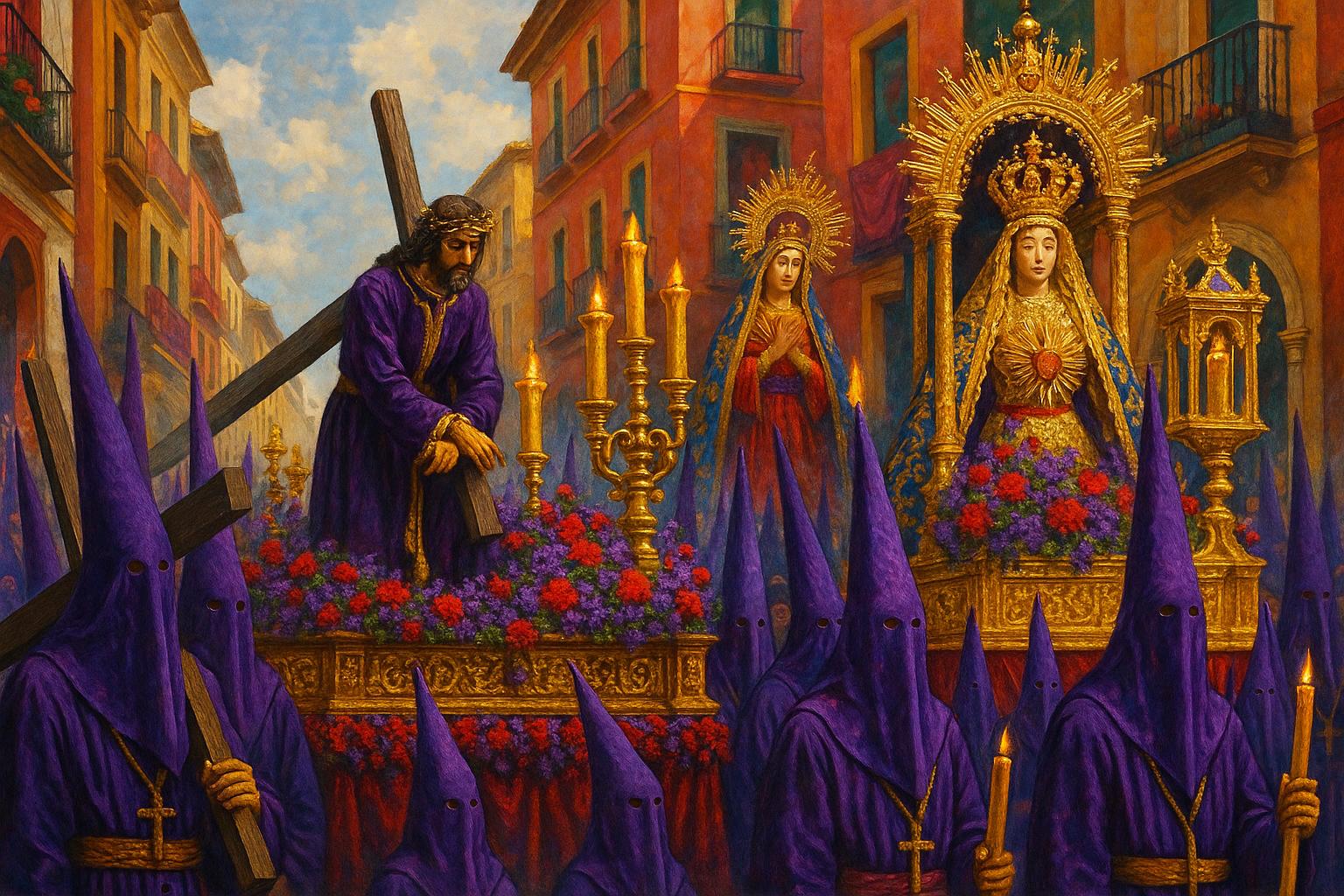
In Spain, Semana Santa is renowned for its grand and solemn processions that captivate both participants and onlookers. Various cofradías, or brotherhoods, meticulously organize processions that snake through city streets, showcasing intricately designed pasos or floats. These floats, often ornate and awe-inspiring, depict scenes from the Passion of Christ. Participants partaking in these processions don traditional garments, characterized by pointed hoods and flowing robes, in an outward display of faith and acts of penance.
Latin America
Across several Latin American countries, Semana Santa assumes the form of a significant religious and cultural event. For example, in Guatemala, vibrant carpets fashioned from sawdust, flowers, and fruits grace the paths of processional routes. These colorful creations, known as alfombras, embody both artistic expression and religious devotion, serving as a testament to the region’s unique cultural heritage.
The Philippines
The Philippines observes Semana Santa with an array of distinct traditions, including processions, dramatic reenactments, and acts of self-flagellation. One particularly striking event involves the reenactment of Christ’s crucifixion, a ritual that some devotees undertake as a form of extreme penance. This practice underscores the profound religious fervor and commitment that characterizes the observance of Semana Santa in the region.
Modern Influences
In the contemporary era, Semana Santa retains its profound religious significance while simultaneously drawing tourists eager to experience these unique cultural spectacles. The influx of visitors has invariably led to transformations in certain practices. In some communities, adjustments have been made to present more staged presentations, accommodating the interests and expectations of tourists while striving to preserve the authenticity of traditional observances.
Transformation and Preservation
The balance between tradition and modernity remains a delicate dance for communities that celebrate Semana Santa. While the presence of tourism can inject valuable economic benefits, it also poses challenges in maintaining the sanctity and solemnity of these religious events. Efforts are ongoing to ensure these celebrations remain authentic while embracing influences from a global audience. Local authorities and community leaders play a crucial role in maintaining this equilibrium by fostering dialogue between cultural custodians and the tourism sector.
Impact of Technology
The digital age has ushered in a new dimension for Semana Santa observances. Technology and social media platforms have enabled the widespread dissemination of images and videos, allowing for a broader audience to engage with and appreciate these events. Online platforms offer a glimpse into the vibrant traditions of Semana Santa, fostering a deeper understanding and appreciation among those unable to witness the events firsthand. This technological evolution underscores the enduring relevance of Semana Santa in an interconnected world while demonstrating the flexibility of tradition in adapting to changing times.
Conclusion
Semana Santa remains a vibrant and indispensable component of Christian culture, epitomizing deeply rooted traditions that evoke a collective sense of spirituality and community. Its diverse practices across the globe underscore the unique ways different cultures articulate their faith, making it a rich subject for religious adherents and cultural enthusiasts alike. While the essence of Semana Santa endures, the celebration continues to evolve, reflecting the dynamic interplay between tradition and contemporary influences.
For those captivated by the richness of Semana Santa, further exploration of specific regional practices is encouraged. From travel guides to religious texts and academic research, a wealth of resources awaits those eager to delve deeper into the intricacies of these observances. By engaging with these diverse narratives, one can gain a comprehensive understanding of the profound significance of Semana Santa in the cultural and spiritual tapestry of communities worldwide.
Read more on local customs and traditions during Semana Santa.