The Cultural Significance of Hanal Pixán
Hanal Pixán is a deeply rooted tradition celebrated in the Yucatán Peninsula. This unique festival, meaning “food for the souls” in the Mayan language, is dedicated to honoring deceased loved ones. It takes place around the same time as the more widely known Día de los Muertos in Mexico.
Historical Background
The origins of Hanal Pixán can be traced back to ancient Mayan customs. Traditionally, it was believed that the deceased returned to the world of the living during this time, allowing families to reunion spiritually with their lost relatives. Offerings and rituals are central to this celebration, acting as a bridge between both worlds.
Key Rituals
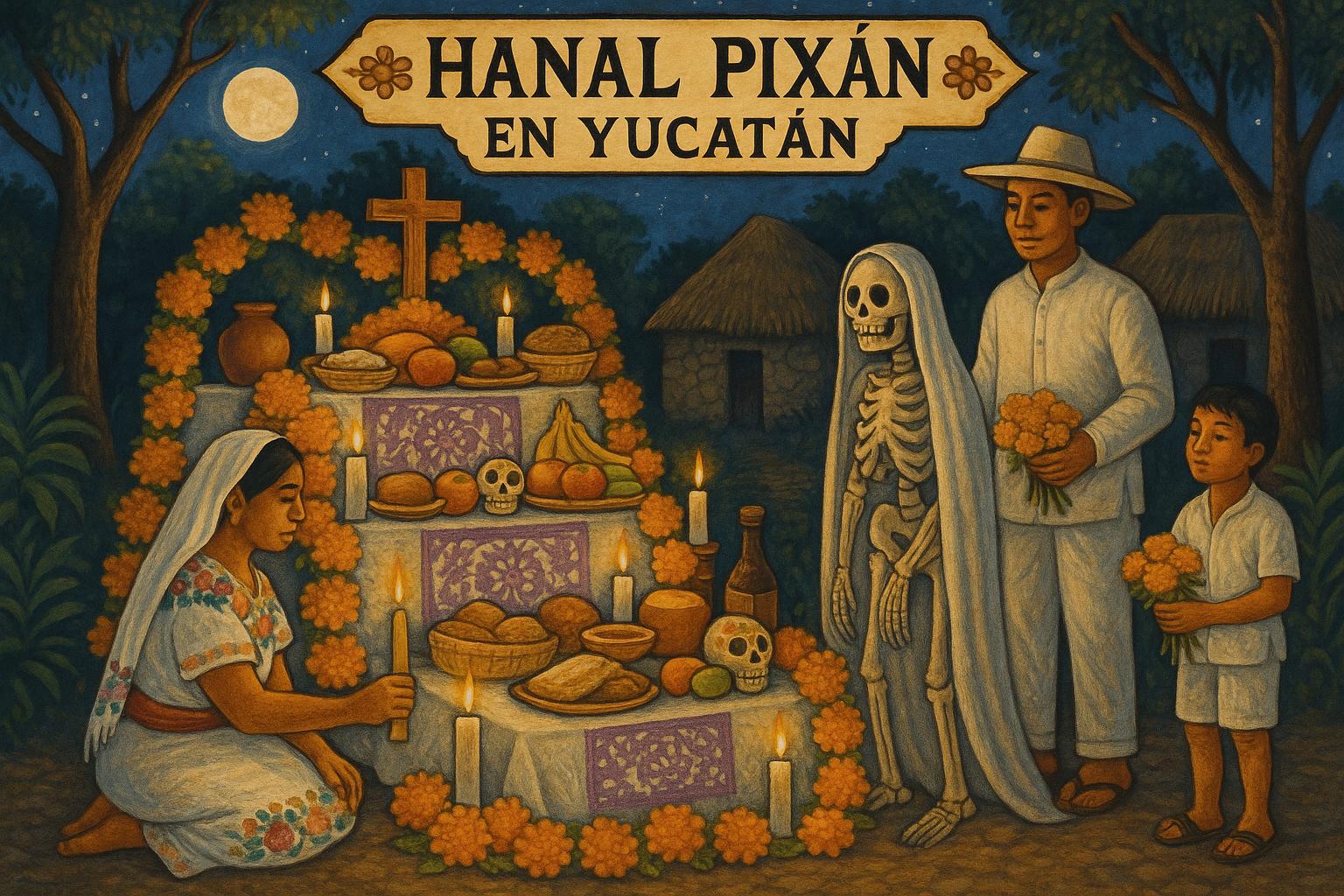
The preparation and presentation of offerings are essential to Hanal Pixán. Homes and cemeteries are adorned with altars known as “altars,” which are strikingly similar to those seen in other parts of Mexico during Día de los Muertos. These altars are adorned with flowers, candles, photographs, and traditional foods.
Traditional Foods
The central component of the offerings is food. Traditional dishes such as mucbipollo, a large chicken tamale wrapped in banana leaves and cooked in a pit, are commonly prepared. Families often include items that were favorites of the deceased, ensuring they are welcomed back with warmth and familiarity.
Significance of Fire and Light
Fire and light play a pivotal role in guiding spirits back to the world of the living. Candles are placed on altars and graves, their flickering flames representing life and the path home for wandering souls. This symbolic use of light underscores the belief in an unbroken bond between life and death.
Contemporary Observations
In recent years, there has been a resurgence of interest in Hanal Pixán, particularly among younger generations. While maintaining its core traditions, the celebration has adapted to modern times, incorporating contemporary elements to ensure its continuity.
Hanal Pixán stands as a living tradition, evolving as the community evolves. This adaptability ensures that the festival remains relevant to the people. Many families now incorporate modern elements into the celebration, reflecting changes in lifestyle while maintaining a deep respect for ancestral customs.
The festival offers a valuable opportunity to strengthen community bonds. Families come together in a cooperative spirit to prepare the feast and construct altars, fostering a sense of unity. As in many cultural celebrations, Hanal Pixán serves as a reminder of community resilience and continuity across generations.
Regional Variations
Different communities within the Yucatán Peninsula have unique ways of celebrating Hanal Pixán. While the core elements of the festival remain, some regions might emphasize particular aspects, such as music or dance, to reflect their specific cultural heritage. These variations enrich the overall experience of Hanal Pixán, showcasing the diversity within the Yucatán Peninsula itself.
Preservation Efforts
Efforts are being made by cultural organizations and local governments to preserve the tradition of Hanal Pixán. Educational programs are implemented to teach younger generations about the festival’s history and significance. These programs often include workshops on traditional crafts, music, and dance, ensuring the continuation of cultural knowledge.
Collaboration with educational institutions has also been pivotal in creating awareness about Hanal Pixán beyond its native region. Schools and universities incorporate the festival into their cultural curricula, promoting broader understanding and appreciation. This ensures that even those who are not from the Yucatán Peninsula can recognize the cultural value of Hanal Pixán.
Global Recognition
The growing interest in cultural festivals has led to increased global recognition of Hanal Pixán. Similar to Día de los Muertos, Hanal Pixán has become a focal point for cultural tourism. Visitors are drawn to the region not only to witness its unique celebrations but also to participate, thereby gaining firsthand experience. This has stimulated local economies and encouraged further preservation of the tradition.
Various media platforms have started to highlight Hanal Pixán as an intriguing cultural event. Documentaries, travel blogs, and social media profiles often share insights into the festival, providing visual and written narratives that capture its essence. This media coverage has further expanded the festival’s reach, attracting interest from people worldwide.
For more information about the Yucatán’s Hanal Pixán traditions, readers can explore local festival guides and cultural resources to gain a deeper understanding of this profound cultural event.